What is the impact resistance of IBC Frame Nuts?
As a trusted supplier of IBC Frame Nuts, I've witnessed firsthand the critical role these small yet mighty components play in the industrial world. Impact resistance is a key characteristic of IBC Frame Nuts, and understanding its significance is crucial for anyone involved in industries that rely on Intermediate Bulk Containers (IBCs).
The Importance of Impact Resistance
IBCs are used for storing and transporting a wide range of substances, from chemicals and liquids to granular materials. They are often subjected to various types of impacts during their lifecycle, including handling, stacking, forklift operations, and transportation. IBC Frame Nuts are integral parts of the IBC frame structure, securing different components together. If these nuts do not have sufficient impact resistance, they can loosen, crack, or even break under impact, compromising the integrity of the entire IBC.
For instance, during forklift handling, IBCs can experience sudden jolts and bumps. A nut with poor impact resistance may not be able to withstand these forces, leading to a breakdown in the frame's stability. This could result in the contents of the IBC spilling, potentially causing environmental hazards, product loss, and safety risks for workers.
Factors Affecting the Impact Resistance of IBC Frame Nuts
-
Material Quality
The material from which IBC Frame Nuts are made is a primary determinant of their impact resistance. High - quality steel alloys, such as carbon steel or stainless steel, are commonly used due to their excellent strength and toughness. Carbon steel nuts are known for their high tensile strength, which allows them to absorb and distribute impact energy. Stainless steel, on the other hand, not only offers good strength but also corrosion resistance, making it suitable for harsh environments where the nuts may be exposed to moisture or chemicals. -
Manufacturing Process
The manufacturing process also plays a significant role in the impact resistance of the nuts. Precision machining ensures that the threads are accurately formed, providing a tight and secure fit. Heat treatment processes, such as quenching and tempering, can enhance the hardness and toughness of the nuts. During quenching, the nuts are rapidly cooled after heating, which changes their microstructure and increases their strength. Tempering then follows to relieve internal stresses and improve the overall ductility of the nuts, making them more resistant to impact. -
Design and Geometry
The design and geometry of the IBC Frame Nuts can influence their impact resistance. Nuts with a thicker wall or a larger diameter generally have better impact - absorbing capabilities. The shape of the nut, such as hexagonal or square, can also affect how it distributes the impact force. A well - designed nut will evenly distribute the stress across its surface, reducing the likelihood of cracking or failure.
Testing the Impact Resistance
To ensure the reliability of IBC Frame Nuts, various testing methods are employed. One common test is the Charpy impact test. In this test, a notched specimen of the nut material is struck by a pendulum hammer, and the energy absorbed during the fracture is measured. The higher the energy absorbed, the better the impact resistance of the material.
Another important test is the drop test. In a drop test, the nuts are attached to a representative IBC frame and then dropped from a specific height onto a hard surface. After the drop, the nuts are inspected for any signs of damage, such as cracking or deformation. This test simulates real - world impact scenarios that the IBCs may encounter during handling and transportation.
Impact Resistance and Compatibility with Other Components
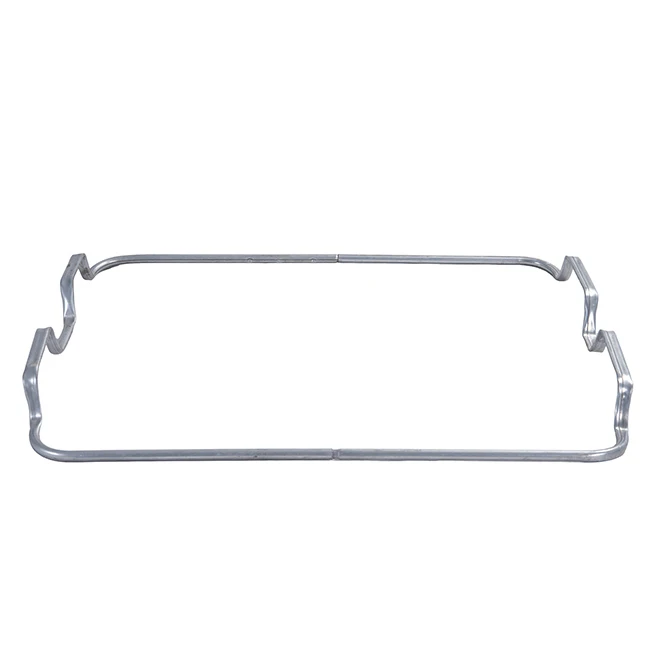
IBC Frame Nuts do not operate in isolation. They work in conjunction with other metal parts of the IBC, such as the Steel Base Pallet, Convenient Bottom Pipe, Hook Pull Rod, Ton Barrel Crossbeam, and IBC Metal Lifting Plate. The impact resistance of the nuts must be compatible with the impact resistance of these other components.
For example, if the IBC Metal Lifting Plate is designed to withstand high - impact forces during lifting operations, the nuts that secure it to the frame should also be able to handle similar levels of stress. Otherwise, the nuts may fail prematurely, causing the lifting plate to detach and potentially leading to a serious accident.
How Our IBC Frame Nuts Excel in Impact Resistance
At our company, we take pride in supplying IBC Frame Nuts with exceptional impact resistance. We source the highest - quality materials and use state - of - the - art manufacturing processes to ensure that our nuts meet or exceed industry standards.
Our in - house quality control team conducts rigorous testing on every batch of nuts. We perform not only the standard Charpy impact and drop tests but also customized tests based on the specific requirements of our customers. This ensures that our nuts are reliable and can withstand the most demanding applications.
We also offer a wide range of nut types and sizes to match different IBC designs and operational needs. Whether you need a nut for a small - scale IBC or a large - capacity one, we have the solution. Our nuts are designed to be easily mated with other components like the products mentioned above, providing a seamless and sturdy IBC structure.

Conclusion
The impact resistance of IBC Frame Nuts is a critical factor that affects the safety, reliability, and performance of IBCs. By understanding the factors that influence impact resistance, the testing methods used to evaluate it, and the importance of compatibility with other components, you can make informed decisions when selecting IBC Frame Nuts for your applications.
As a leading supplier of IBC Frame Nuts, we are committed to providing products of the highest quality. If you are looking for IBC Frame Nuts with excellent impact resistance and reliable performance, we invite you to contact us for a consultation and discuss your specific procurement needs. Our team of experts is ready to assist you in finding the perfect solution for your business.
References
- Metallurgy textbooks on metal properties and heat treatment processes.
- Industry standards and guidelines related to IBC manufacturing and safety.