PE can be manufactured using a wide variety of processing methods. Utilizing ethylene as the primary raw material-with propylene, 1-butene, or hexene serving as co-monomers-and under the influence of catalysts, the polymer is produced via slurry polymerization or gas-phase polymerization processes. The resulting polymer undergoes a series of steps-including flash evaporation, separation, drying, and granulation-to yield a finished product consisting of uniform granules. These processing methods include, among others, sheet extrusion, film extrusion, pipe or profile extrusion, blow molding, injection molding, and rotational molding.
Extrusion: Grades of PE intended for extrusion production typically possess a melt index (MI) of less than 1 and a medium-to-broad molecular weight distribution (MWD). During processing, a low MI helps ensure adequate melt strength. Grades with a broader MWD are generally better suited for extrusion, as they facilitate higher production speeds, result in lower die-head pressures, and exhibit a reduced tendency toward melt fracture.
PE finds numerous applications in extrusion, such as in the manufacture of wires, cables, hoses, pipes, and profiles. Pipe applications range from small-diameter yellow pipes used for natural gas distribution to large-diameter (up to 48 inches), thick-walled black pipes utilized in industrial and municipal pipeline systems. The use of large-diameter, hollow-wall pipes-serving as substitutes for concrete-based storm drains and other sewer lines-is a rapidly growing sector.
Sheet and Thermoforming: The thermoformed liners found in many large picnic-style coolers are manufactured from PE, a choice driven by the material's inherent toughness, light weight, and durability. Other sheet and thermoformed products include fenders, tank liners, trays, protective covers, shipping containers, and canisters. A significant and rapidly expanding application for PE sheet is in the production of geomembranes or pond liners; this application leverages the toughness, chemical resistance, and impermeability characteristic of MDPE (Medium-Density Polyethylene).
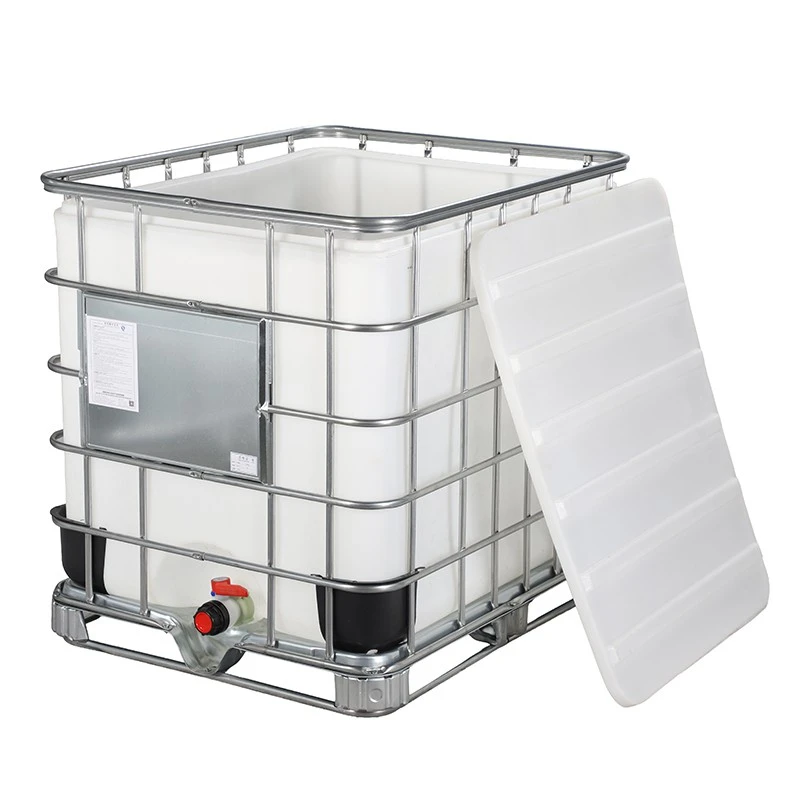
Blow Molding: In the United States, more than one-third of all HDPE sold is utilized in blow molding applications. These applications span a wide spectrum, ranging from bottles used to package bleach, motor oil, detergents, milk, and distilled water, to large-scale items such as refrigerator liners, automotive fuel tanks, and drums. The key performance characteristics required for blow molding grades-such as melt strength, environmental stress crack resistance (ESCR), and toughness-are similar to those required for sheet and thermoforming applications; consequently, similar grades of PE can often be utilized across these different processing methods. Injection-blow molding is typically used to manufacture smaller containers (less than 16 oz) for packaging pharmaceuticals, shampoos, and cosmetics. One advantage of this process is that the bottles are automatically trimmed during production, eliminating the need for post-molding finishing steps-unlike standard blow molding. Although certain narrow-MWD (Molecular Weight Distribution) grades are sometimes used to improve surface finish, medium-to-wide MWD grades are generally preferred.
Injection Molding: HDPE has countless applications, ranging from reusable thin-walled beverage cups to 5-gallon pails, accounting for one-fifth of domestically produced HDPE consumption. Injection molding grades typically have a Melt Index (MI) between 5 and 10; these include lower-flow grades characterized by high toughness, as well as higher-flow grades prized for their processability. Applications include thin-walled packaging for consumer goods and food products; tough, durable pails for food and paint; and applications requiring high resistance to environmental stress cracking, such as small-engine fuel tanks and 90-gallon refuse bins.
Rotational Molding: Materials processed via this method are typically ground into a powder, allowing them to melt and flow during the thermal cycle. Rotational molding utilizes two categories of PE: general-purpose and crosslinkable grades. General-purpose MDPE/HDPE grades typically have a density ranging from 0.935 to 0.945 g/cc and feature a narrow MWD; this combination imparts high impact strength and minimal warping to the finished products. Their Melt Index generally falls within the 3 to 8 range. Higher-MI grades are typically unsuitable, as they lack the requisite impact strength and environmental stress crack resistance desired in rotationally molded products.
High-performance rotational molding applications leverage the unique properties of chemically crosslinkable grades. During the initial phase of the molding cycle, these grades exhibit excellent flow characteristics; subsequently, they crosslink to develop their resistance to environmental stress cracking, toughness, abrasion resistance, and weatherability. Crosslinkable PE is uniquely suited for large-scale containers, ranging from 500-gallon tanks for transporting various chemicals to 20,000-gallon agricultural storage tanks.
Film: PE film processing is typically carried out using either standard blown film extrusion or cast film extrusion methods. The majority of PE produced is utilized for film applications, employing either general-purpose Low-Density Polyethylene (LDPE) or Linear Low-Density Polyethylene (LLDPE). Film-grade HDPE is typically used in applications requiring superior tensile strength and impermeability. For instance, HDPE film is frequently utilized for merchandise bags, grocery bags, and food packaging.