As a supplier of sealed drums, I often encounter inquiries from clients about the suitability of using sealed drums for oil storage. This topic is of significant importance, as proper oil storage is crucial for maintaining the quality of the oil and ensuring safety. In this blog post, I will explore whether a sealed drum can be used for oil storage, taking into account various factors such as the type of oil, the drum material, and storage conditions.
Types of Oil and Their Compatibility with Sealed Drums
There are different types of oils, including crude oil, refined petroleum products (such as gasoline, diesel, and lubricating oils), and vegetable oils. Each type of oil has its own chemical properties, which determine its compatibility with sealed drums.
-
Crude Oil: Crude oil is a complex mixture of hydrocarbons and contains various impurities. It can be highly corrosive, especially if it contains sulfur compounds. When storing crude oil, it is essential to use a sealed drum made of a material that can resist corrosion. Steel drums with appropriate coatings are often used for crude oil storage. However, over time, even coated steel drums may be subject to corrosion, especially in the presence of water and oxygen.
-
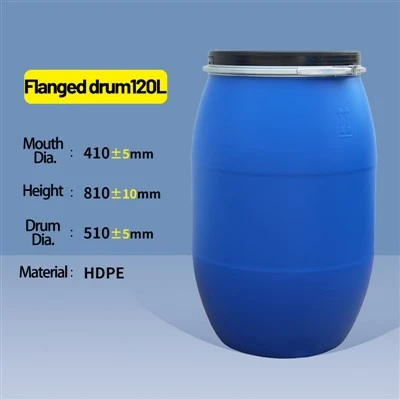
Refined Petroleum Products: Gasoline, diesel, and lubricating oils are relatively less corrosive than crude oil. Plastic sealed drums, such as Tight Head Plastic Drums, are commonly used for storing these refined products. Plastic drums are lightweight, resistant to corrosion, and can provide a good seal to prevent evaporation and contamination. However, it is important to ensure that the plastic material is compatible with the specific type of oil. For example, some plastics may be affected by certain solvents or additives in the oil.
-
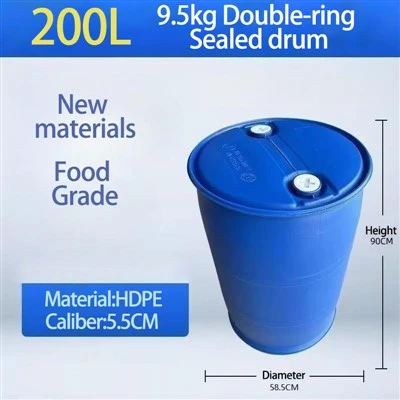
Vegetable Oils: Vegetable oils are generally less aggressive than petroleum - based oils. Sealed drums made of food - grade materials are suitable for storing vegetable oils. Double - ring Sealed Drum made of high - density polyethylene (HDPE) is a popular choice for vegetable oil storage. HDPE is non - toxic, resistant to many chemicals, and can maintain the quality of the vegetable oil for an extended period.
Drum Materials and Their Properties
The material of the sealed drum plays a vital role in oil storage. Here are some common drum materials and their characteristics:
-
Steel: Steel drums are strong and durable. They can withstand high pressures and are suitable for storing large volumes of oil. However, steel is prone to corrosion, especially in the presence of moisture and oxygen. To prevent corrosion, steel drums are often coated with a layer of paint or epoxy. Galvanized steel drums, which have a zinc coating, offer better corrosion resistance.
-
Plastic: Plastic drums are lightweight, easy to handle, and resistant to corrosion. They are available in different types of plastics, such as polyethylene and polypropylene. Polyethylene drums are commonly used for oil storage due to their good chemical resistance and low cost. However, plastic drums may have limitations in terms of temperature resistance. High - temperature oils may cause the plastic to deform or release harmful substances.


-
Fiberglass - Reinforced Plastic (FRP): FRP drums combine the strength of fiberglass with the corrosion resistance of plastic. They are suitable for storing a wide range of oils, including corrosive ones. FRP drums are more expensive than plastic or steel drums, but they offer excellent durability and long - term performance.
Storage Conditions
In addition to the type of oil and drum material, storage conditions also affect the suitability of using a sealed drum for oil storage.
-
Temperature: Extreme temperatures can have a significant impact on the oil and the drum. High temperatures can cause the oil to expand, increasing the pressure inside the drum. This may lead to leaks or even drum rupture. Low temperatures can cause the oil to thicken, making it difficult to pump out. It is important to store oil in a temperature - controlled environment.
-
Humidity: Moisture can cause corrosion in steel drums and promote the growth of microorganisms in the oil. To prevent moisture from entering the drum, it should be stored in a dry place. Sealed drums should have a tight seal to prevent water vapor from getting in.
-
Sunlight: Prolonged exposure to sunlight can cause the oil to degrade and the drum material to deteriorate. It is advisable to store oil drums in a shaded area or use drums with UV - resistant coatings.
Advantages of Using Sealed Drums for Oil Storage
-
Prevent Evaporation: A properly sealed drum can prevent the evaporation of volatile components in the oil, which helps to maintain the quality of the oil. This is particularly important for gasoline and other fuels with high volatility.
-
Protect from Contamination: Sealed drums provide a barrier against dust, dirt, and other contaminants. This helps to keep the oil clean and free from impurities, which can affect the performance of engines or other equipment that uses the oil.
-
Easy to Transport and Store: Sealed drums are designed for easy handling, transportation, and storage. They come in standard sizes, which makes it convenient to stack and move them.
Disadvantages and Considerations
-
Limited Capacity: Sealed drums typically have a limited capacity compared to large - scale storage tanks. For industrial applications that require large volumes of oil storage, multiple drums may be needed, which can be space - consuming.
-
Maintenance: Regular maintenance is required to ensure the integrity of the drum. This includes checking for leaks, corrosion, and damage. If a drum is damaged, it may need to be replaced to prevent oil spills.
Conclusion
In conclusion, a sealed drum can be used for oil storage, but it is important to consider the type of oil, the drum material, and the storage conditions. Different types of oils have different compatibility requirements with drum materials. Steel drums are suitable for storing crude oil and large volumes of oil, while plastic drums are often used for refined petroleum products and vegetable oils. Storage conditions such as temperature, humidity, and sunlight should be carefully controlled to ensure the quality of the oil and the integrity of the drum.
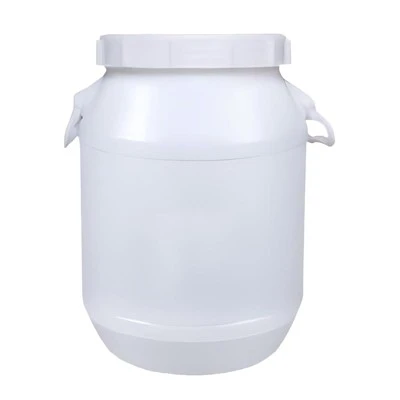
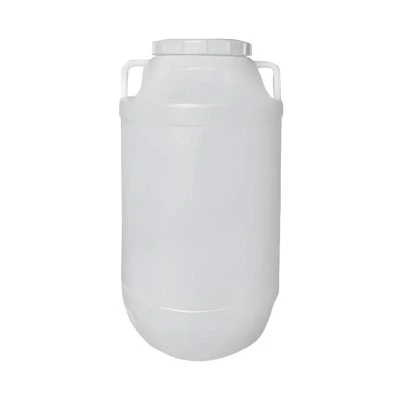
As a sealed drum supplier, we offer a wide range of Sealed Barrel options to meet your oil storage needs. Whether you need a small - capacity drum for home use or a large - scale drum for industrial applications, we can provide you with the right solution. If you are interested in purchasing sealed drums for oil storage, please feel free to contact us for further information and to discuss your specific requirements. We look forward to working with you to ensure the safe and efficient storage of your oil.
References
- American Petroleum Institute (API). Recommended Practices for Storage and Handling of Crude Oil and Petroleum Products.
- International Organization for Standardization (ISO). Standards for Packaging and Storage of Oils and Lubricants.
- Plastic Pipe and Fittings Association. Guidelines for Plastic Drums Used in Chemical and Oil Storage.