Sealing a barrel properly is crucial for various industries, whether you are storing chemicals, food products, or other substances. As a Sealed Barrel supplier, I have witnessed firsthand the importance of correct sealing techniques. In this blog post, I will share some in - depth knowledge on how to seal a barrel properly.
Understanding the Types of Sealed Barrels
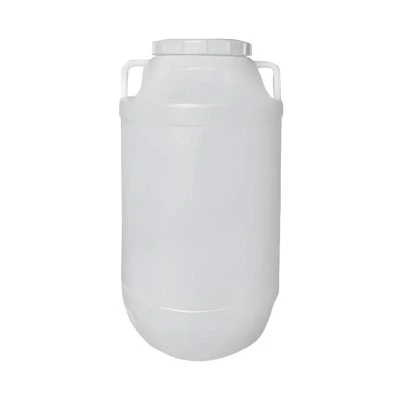
Before we delve into the sealing process, it's essential to know the different types of sealed barrels available in the market. One popular option is the Tight Head Plastic Drums. These drums are designed with a tight - fitting lid, which provides an excellent seal. They are often used for storing liquids and chemicals that need to be kept airtight and leak - proof.
Another type is the Sealed Barrel. This is a general term for barrels that are designed to prevent the contents from leaking or being contaminated. Sealed barrels come in various materials, including plastic, steel, and fiberglass, each with its own advantages and suitable applications.
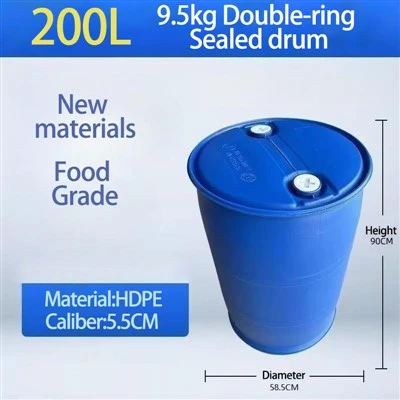
The Double - ring Sealed Drum is also a notable option. The double - ring design provides extra sealing strength, making it ideal for storing hazardous materials or substances that require a high - level of protection.
Pre - sealing Preparations
- Inspect the Barrel
Before attempting to seal a barrel, a thorough inspection is necessary. Check for any cracks, dents, or other damages on the barrel body. Even a small crack can compromise the seal and lead to leaks. For plastic barrels, look for signs of brittleness or discoloration, as these may indicate degradation. In the case of steel barrels, check for rust spots, as rust can weaken the metal and cause holes over time. - Clean the Barrel and Lid
The barrel and its lid must be clean before sealing. Any dirt, debris, or residue on the sealing surfaces can prevent a proper seal. For barrels that have previously contained substances, use a suitable cleaning agent to remove all traces of the old contents. Rinse the barrel thoroughly and allow it to dry completely. This step is especially important when storing food products or sensitive chemicals. - Choose the Right Sealing Material
The choice of sealing material depends on the type of barrel and the contents it will hold. For plastic barrels, rubber gaskets are commonly used. These gaskets are flexible and can conform to the shape of the barrel and lid, creating a tight seal. For steel barrels, neoprene or silicone gaskets may be more appropriate. They offer better resistance to heat, chemicals, and wear.
The Sealing Process
1. Place the Gasket Correctly
If your barrel uses a gasket, place it in the groove of the lid. Make sure the gasket is properly seated and there are no twists or folds. A misaligned gasket can result in an uneven seal and potential leaks. For some barrels, the gasket may need to be lubricated with a food - grade lubricant (if storing food products) or a chemical - resistant lubricant (for chemical storage). This helps the gasket to slide into place easily and improves the sealing performance.
2. Align the Lid with the Barrel
Carefully place the lid on top of the barrel, ensuring that it is centered. For barrels with a locking mechanism, such as a clamp or a screw - on lid, start the locking process slowly. This allows you to adjust the alignment if necessary. If the lid is not aligned correctly, it may not seal properly, even with a good - quality gasket.
3. Tighten the Sealing Mechanism
Depending on the type of barrel, you will need to use different methods to tighten the sealing. For screw - on lids, use a suitable tool, such as a wrench, to tighten the lid. Make sure not to overtighten, as this can damage the lid or the barrel. A good rule of thumb is to tighten until you feel a firm resistance, but do not force it.
For barrels with clamps, follow the manufacturer's instructions to tighten the clamps evenly around the lid. Uneven tightening can cause the lid to warp and result in a poor seal. Check the tightness of the seal around the entire circumference of the barrel.
4. Conduct a Leak Test
Once the barrel is sealed, it's important to conduct a leak test. This can be done in several ways. For liquid - filled barrels, you can place the barrel on a flat surface and let it sit for a period of time, checking for any signs of leakage. You can also pressurize the barrel slightly (if it is designed for pressurization) and use a leak - detection solution. Apply the solution around the seal, and if there are any leaks, bubbles will form.
Special Considerations for Different Contents
1. Chemicals
When storing chemicals, it's crucial to select a barrel and sealing material that are compatible with the chemical. Some chemicals can react with certain plastics or metals, causing corrosion or degradation. For example, strong acids may require a barrel made of acid - resistant plastic or stainless steel. Additionally, the sealing material must be able to withstand the chemical's properties, such as its pH level and reactivity.


2. Food Products
For food storage, the barrel and sealing materials must meet food - grade standards. This means they should not contaminate the food with harmful substances. The gasket should be made of a food - safe material, such as silicone or EPDM rubber. The barrel should also be easy to clean and sanitize to prevent the growth of bacteria.
3. Flammable Substances
When storing flammable substances, the seal must be airtight to prevent the release of vapors. In addition to a proper seal, the barrel should be made of a non - sparking material to reduce the risk of ignition. Some barrels are designed with special ventilation systems to handle the pressure changes caused by temperature fluctuations.
Maintaining the Seal
Even after a barrel is properly sealed, it's important to maintain the seal over time. Store the barrel in a suitable environment, away from extreme temperatures, direct sunlight, and physical damage. Regularly inspect the barrel and the seal for any signs of wear or damage. If you notice any issues, such as a loose gasket or a cracked lid, take immediate action to repair or replace the components.
Contact for Procurement
If you are in need of high - quality sealed barrels for your business, we are here to help. Our team of experts can provide you with detailed information about our products and assist you in choosing the right barrel for your specific needs. Whether you require Tight Head Plastic Drums, Sealed Barrel, or Double - ring Sealed Drum, we have a wide range of options to meet your requirements. Contact us today to start a procurement discussion and ensure that your storage needs are met with the best - quality sealed barrels.
References
- ASTM International. (20XX). Standards for plastic and steel drums. ASTM Publications.
- Chemical Storage Handbook. (20XX). Industry - specific guidelines for chemical storage in barrels.
- Food Safety and Storage Manual. (20XX). Regulations and best practices for food storage in barrels.