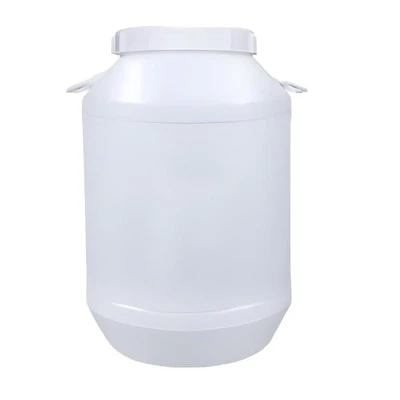
Hey there! As a supplier of Round Plastic Barrels, I often get asked about the best way to sanitize these handy containers. Whether you're using them for storing food products, chemicals, or just general household items, keeping them clean and sanitized is super important. It not only helps maintain the quality of the stored contents but also prolongs the life of the barrels. In this blog post, I'll share some tried - and - true methods to get your round plastic barrels sparkling clean.
Pre - Cleaning Checks
Before you start the sanitizing process, it's a good idea to do a quick inspection of the barrel. First off, take a look inside for any visible debris, like dirt, dust, or leftover residue from previous contents. If it's been sitting around for a while, there might be some cobwebs or bugs in there too. You can use a long - handled brush to gently scrape off any stuck - on gunk. Make sure to check the lid and the sealing area as well. A faulty seal can let in contamination, so it's crucial to ensure it's in good condition.
Emptying and Rinsing
The first step in the cleaning process is to empty the barrel completely. If it's been used for storing liquids, pour them out carefully. For solids, scoop them out with a suitable tool. Once it's empty, give it a good rinse with warm water. This will help remove any loose particles and prepare the barrel for the next cleaning steps. You can use a hose or a bucket of water to do this. Make sure to rinse all the corners and crevices of the barrel.
Choosing the Right Cleaning Agent
Now, let's talk about the cleaning agents. There are several options available, and the one you choose depends on what the barrel was used for.
For General Use
If the barrel was used to store non - hazardous and non - food items, a simple mixture of dish soap and warm water can do the trick. Dish soap is gentle yet effective at breaking down grease and dirt. Fill a bucket with warm water and add a few drops of dish soap. Stir the mixture to create some suds. Then, using a sponge or a soft cloth, apply the soapy water to the inside and outside of the barrel. Scrub gently, paying extra attention to any stained areas. After scrubbing, rinse the barrel thoroughly with clean water to remove all the soap residue.
For Food - Grade Storage
When the barrel has been used for storing food products, you need to be extra careful with the cleaning agent. A solution of white vinegar and water is a great natural option. Vinegar has antibacterial properties and is safe to use around food. Mix equal parts of white vinegar and water in a spray bottle. Spray the solution all over the inside of the barrel and let it sit for about 15 - 20 minutes. This will give the vinegar time to kill any bacteria. Then, use a brush or a sponge to scrub the barrel, followed by a thorough rinse with clean water.
Another option for food - grade barrels is a diluted bleach solution. However, you need to be very careful when using bleach. Mix about 1 tablespoon of bleach per gallon of water. This is a strong disinfectant, but it can also leave a strong odor if not rinsed properly. After applying the bleach solution and scrubbing, rinse the barrel multiple times to ensure there's no bleach left.
For Chemical Storage
If the barrel was used for storing chemicals, things get a bit more complicated. You need to use a cleaning agent that's specifically designed to neutralize the chemicals. First, refer to the safety data sheet (SDS) of the chemical that was stored in the barrel. The SDS will give you information on what type of cleaning agent to use. In some cases, you might need to use a specialized industrial cleaner. Always wear appropriate protective gear, like gloves and goggles, when handling these cleaners.


Scrubbing and Brushing
Once you've chosen the right cleaning agent, it's time to start scrubbing. Use a long - handled brush to reach all the areas inside the barrel. For the corners and edges, you can use a smaller brush or a toothbrush. Scrub in a circular motion to ensure that you cover every part of the surface. Don't forget the outside of the barrel as well. If there are any labels or stickers on the barrel, you might want to remove them during this process. You can use a sticker remover or a bit of rubbing alcohol to make the removal easier.
Rinsing and Drying
After scrubbing, rinse the barrel thoroughly with clean water. Make sure to remove all the cleaning agent residue. You can use a hose to do a quick rinse or fill the barrel with water and slosh it around a few times. Once you're satisfied that it's clean, drain the water completely.
Drying the barrel is an important step. If the barrel is left wet, it can develop mold and mildew. You can let the barrel air - dry in a well - ventilated area. Place it upside down so that any remaining water can drain out. If you're in a hurry, you can use a clean towel to dry the inside of the barrel.
Sanitizing
After the barrel is clean and dry, it's time for the final sanitizing step. For general use barrels, you can use a food - grade sanitizer. These sanitizers are available in most hardware or cleaning supply stores. Follow the instructions on the label to prepare the sanitizing solution. Usually, you'll need to soak a clean cloth in the solution and wipe down the inside and outside of the barrel.
For food - grade barrels, you can also use a steam sanitizing method. You can use a handheld steamer to direct steam into the barrel. The high temperature of the steam will kill any remaining bacteria. Make sure to steam all the areas of the barrel, especially the hard - to - reach corners.
Tips and Tricks
- Regular Maintenance: It's a good idea to clean and sanitize your round plastic barrels regularly, even if they're not being used. This will prevent the build - up of dirt and bacteria.
- Labeling: Keep track of what was stored in the barrel and when it was last cleaned. You can use a label or a marker to write this information on the barrel.
- Proper Storage: When not in use, store your barrels in a clean and dry place. This will help keep them in good condition.
Conclusion
Sanitizing a round plastic barrel doesn't have to be a difficult task. By following these steps and using the right cleaning agents, you can keep your barrels clean and safe for use. Whether you're a business that uses these barrels for storing products or a homeowner using them for general storage, proper sanitization is key.
If you're in the market for Round Plastic Barrels, we've got you covered. We offer a wide range of products, including Round Plastic Bucket, Round Plastic Barrel, 100L Round Plastic Drum, and Round Plastic Pail. If you're interested in purchasing our products or have any questions about sanitizing or using our barrels, feel free to reach out for a procurement discussion.
References
- "Plastic Container Cleaning Guide" - Cleaning Supplies Association
- "Food - Grade Plastic Sanitization" - Food Safety Journal