Metal components primarily comprise fasteners-such as bolts, nuts, screws, and rivets-as well as mechanical structural parts, including gears, bearings, and springs.
The following section provides a detailed explanation of these metal components:
Fasteners constitute the most common category of metal components, encompassing items such as bolts, nuts, and screws. These fasteners are primarily utilized to securely join two or more separate parts together. Bolts are typically used in conjunction with nuts; through the action of rotation and tightening, they create a firm connection between the joined parts. Screws, conversely, are driven directly into the components being joined, serving the dual functions of connection and fixation.
Mechanical structural parts-such as gears, bearings, and springs-are indispensable elements within mechanical equipment. Gears are employed to transmit rotational motion and torque, serving as core components within mechanical transmission systems. Bearings provide support for rotating parts, minimizing friction and wear to ensure the smooth and efficient operation of mechanical machinery. Springs function to store and release energy, thereby providing buffering and shock-absorption capabilities.
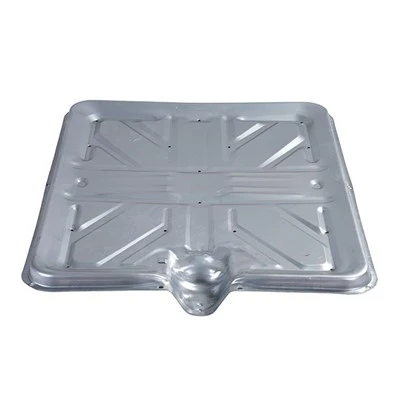
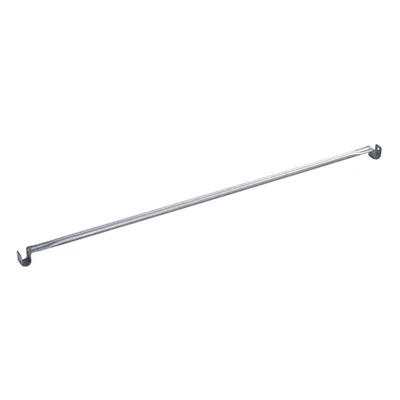
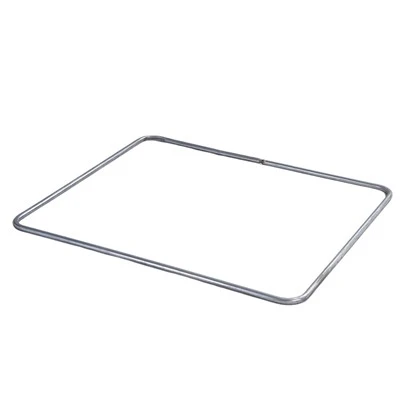
Furthermore, metal components encompass a wide variety of other types, including metal wires, tubes, and sheets. These components find extensive application throughout manufacturing and maintenance processes. For instance, metal wires are used to fabricate electrical connection components such as wires and cables; metal tubes are utilized for fluid conveyance or as structural supports; and metal sheets are employed in the production of various mechanical housings or protective enclosures.
In summary, metal components are highly diverse in nature; depending on the specific application environment and performance requirements, various types of metal components can be selected to meet specific needs. These metal components are widely utilized across numerous sectors, including mechanical engineering, automotive manufacturing, electronics, and construction.