Polypropylene barrels are a common storage option in many industries, known for their durability, affordability, and chemical resistance. However, when it comes to storing gasoline, a highly flammable and volatile liquid, the question arises: Can polypropylene barrels be used for this purpose? As a Polypropylene Barrel supplier, I'll dive deep into this topic, exploring the science, safety concerns, and legal requirements.
Understanding Polypropylene and Gasoline
Polypropylene is a thermoplastic polymer commonly used in various applications, including packaging, automotive components, and household items. It is known for its excellent chemical resistance, lightweight nature, and relatively low cost. Gasoline, on the other hand, is a complex mixture of hydrocarbons derived from petroleum. It is highly flammable, volatile, and can react with certain materials.
The chemical structure of polypropylene gives it some resistance to a wide range of chemicals. However, gasoline contains a variety of hydrocarbons, some of which can potentially interact with polypropylene over time. The key concern is the permeability of polypropylene to gasoline vapors and the potential for the material to degrade when in contact with the fuel.


Permeability of Polypropylene to Gasoline
One of the primary issues with using polypropylene barrels for gasoline storage is the permeability of the material. Gasoline vapors can slowly pass through the walls of a polypropylene container. This not only leads to a loss of fuel over time but also creates a potentially hazardous situation. The vapors can accumulate in enclosed spaces, increasing the risk of fire or explosion.
Studies have shown that the rate of vapor permeability depends on several factors, including the thickness of the polypropylene wall, the type of gasoline (e.g., with or without additives), and the temperature. In general, thinner polypropylene walls allow for a higher rate of vapor transmission. Additionally, as the temperature increases, the permeability of the material also tends to increase.
Chemical Degradation of Polypropylene
Another concern is the potential for chemical degradation of polypropylene when in contact with gasoline. Over time, the hydrocarbons in gasoline can cause the polypropylene to swell, crack, or become brittle. This can weaken the structure of the barrel, increasing the risk of leaks or rupture.
The extent of chemical degradation depends on the duration of contact, the type of gasoline, and the specific formulation of the polypropylene. Some additives in gasoline, such as ethanol, can be particularly aggressive towards polypropylene. Ethanol is known to cause swelling and softening of the material, which can lead to reduced mechanical properties.
Safety Considerations
When it comes to storing gasoline, safety is of paramount importance. Using polypropylene barrels that are not designed for gasoline storage can pose significant risks. Here are some safety concerns to consider:
- Fire and explosion hazards: As mentioned earlier, the permeability of polypropylene to gasoline vapors can lead to the accumulation of flammable gases in the surrounding area. A small spark or ignition source can then trigger a fire or explosion.
- Leakage: Chemical degradation of the polypropylene barrel can lead to cracks or holes, causing gasoline to leak. This not only results in a loss of fuel but also creates a slip hazard and can contaminate the environment.
- Pressure build-up: As gasoline evaporates, it can create pressure inside the barrel. If the barrel is not designed to withstand this pressure, it can rupture, releasing the gasoline and potentially causing a dangerous situation.
Legal Requirements
In addition to safety concerns, there are also legal requirements to consider when storing gasoline. Different countries and regions have specific regulations regarding the storage of flammable liquids, including gasoline. These regulations often specify the type of containers that can be used, the maximum storage capacity, and the safety measures that must be in place.
In many cases, using polypropylene barrels for gasoline storage may not meet these legal requirements. For example, some regulations require that gasoline be stored in approved containers made of specific materials, such as steel or high-density polyethylene (HDPE). Using non-approved containers can result in fines or other penalties.
Alternatives to Polypropylene Barrels
If polypropylene barrels are not suitable for storing gasoline, what are the alternatives? Here are some options:
- Steel drums: Steel drums are a common choice for storing gasoline. They are strong, durable, and provide excellent protection against fire and explosion. However, they are also heavy and can be more expensive than polypropylene barrels.
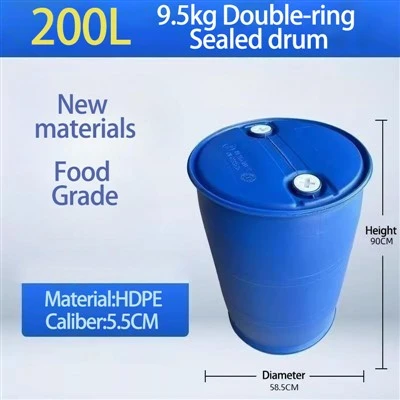
- High-density polyethylene (HDPE) containers: HDPE is a type of plastic that is more resistant to gasoline than polypropylene. It has lower permeability to gasoline vapors and is less likely to degrade when in contact with the fuel. HDPE containers are lightweight, corrosion-resistant, and relatively affordable.
- Approved gasoline cans: There are specially designed gasoline cans available on the market that meet the safety and legal requirements for storing gasoline. These cans are typically made of approved materials and come with features such as spill-proof spouts and flame arresters.
Our Polypropylene Barrels
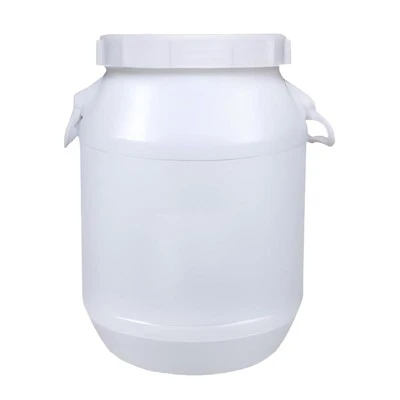
As a Polypropylene Barrel supplier, we offer a wide range of Polypropylene Barrel solutions for various applications. While our barrels are not recommended for storing gasoline, they are suitable for many other uses, such as storing water, chemicals, and food products.
Our 20L PP Plastic Drum is a popular choice for industrial and commercial applications. It is made of high-quality polypropylene, providing excellent chemical resistance and durability. The drum has a tight-fitting lid to prevent leaks and spills, and it is available in a variety of colors.
For smaller storage needs, we also offer 10L PP Plastic Drum and 3L PP Plastic Drum. These drums are ideal for storing small quantities of liquids, such as cleaning agents or solvents.
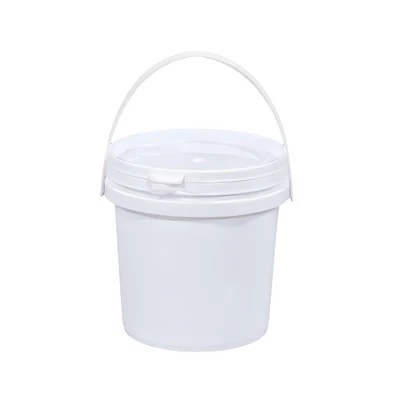
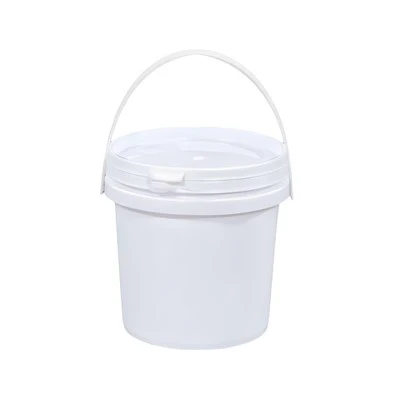
In addition to drums, we also supply Pp Plastic Bucket. Our buckets are available in different sizes and designs, making them suitable for a variety of applications, including gardening, construction, and household use.
Conclusion
In conclusion, while polypropylene barrels have many advantages, they are not recommended for storing gasoline. The permeability of polypropylene to gasoline vapors and the potential for chemical degradation pose significant safety risks. Additionally, using polypropylene barrels for gasoline storage may not meet the legal requirements in many areas.
If you need to store gasoline, it is important to use approved containers made of suitable materials, such as steel or high-density polyethylene. These containers provide better protection against fire, explosion, and leakage.
As a Polypropylene Barrel supplier, we are committed to providing high-quality products for a variety of applications. If you have any questions or need assistance in selecting the right container for your needs, please feel free to contact us for procurement and negotiation.
References
- ASTM International. (20XX). Standard Specification for Polyethylene Tanks for Aboveground Storage of Flammable and Combustible Liquids.
- National Fire Protection Association. (20XX). NFPA 30: Flammable and Combustible Liquids Code.
- American Petroleum Institute. (20XX). API 12B: Specification for Welded Steel Tanks for Oil Storage.