When it comes to storing various substances, a glass barrel stands out as an excellent choice due to its transparency, durability, and resistance to chemical reactions. As a Sealed Barrel supplier, I've gained extensive knowledge and experience in the processes and techniques of effectively sealing glass barrels. This blog post aims to share valuable insights on how to seal a glass barrel successfully.
Understanding the Importance of Sealing
Before delving into the sealing process, it's crucial to understand why proper sealing matters. A well - sealed glass barrel protects the contents from external elements such as air, moisture, and dust. For example, if you're storing food products like pickles or wine, a good seal prevents oxidation, which can alter the taste, aroma, and quality of the stored items. In industrial settings, sealing glass barrels containing chemicals is essential to avoid spills and leaks, ensuring the safety of the workers and the environment.
Selecting the Right Sealing Materials
The choice of sealing materials depends on the type of substance stored in the glass barrel and the environmental conditions. Here are some commonly used materials:
Rubber Gaskets: Rubber is a versatile material known for its elasticity and resistance to a wide range of substances. It can create an air - tight and watertight seal. There are different types of rubber gaskets, such as EPDM (Ethylene Propylene Diene Monomer) and silicone. EPDM is resistant to ozone, sunlight, and weathering, making it suitable for outdoor storage. Silicone gaskets, on the other hand, can withstand high temperatures and are often used in food and medical applications.
Thread Seal Tapes: These tapes are made of materials like PTFE (Polytetrafluoroethylene). They are often used to seal threaded connections on glass barrels. PTFE tape is resistant to chemicals and can prevent leaks at the joints. It's easy to apply, and one can wrap it around the threads before screwing on the cap or lid.
Adhesives: For non - threaded or custom - designed seals, adhesives can be a good option. Epoxy adhesives, for example, can bond different materials together securely. They provide a strong and long - lasting seal, but it's essential to choose an adhesive that is compatible with the glass and the stored substance.
Preparing the Glass Barrel
Before sealing, the glass barrel needs to be properly prepared.
Cleaning: Thoroughly clean the glass barrel with a mild detergent and warm water. This removes any dirt, debris, or residue that could interfere with the seal. Rinse the barrel multiple times to ensure all the detergent is removed. After rinsing, dry the barrel completely using a clean, lint - free cloth. Any moisture left inside the barrel can lead to mold growth or affect the integrity of the seal.
Inspecting: Carefully inspect the glass for any cracks, chips, or scratches. Even a small crack can compromise the seal and lead to leaks. If you find any damage, it's best to replace the barrel to ensure a proper seal. Also, check the threads (if applicable) for any signs of damage or wear.
Sealing Techniques
Using Rubber Gaskets
- Measuring and Cutting: If the rubber gasket needs to be cut to size, measure the circumference or the specific area where the gasket will be placed. Use a sharp utility knife to cut the gasket accurately.
- Positioning: Place the rubber gasket in the designated groove or area on the barrel lid or opening. Make sure it fits snugly and there are no gaps or wrinkles.
- Closing the Barrel: Carefully place the lid on the barrel and press down evenly. If the barrel has a screw - on lid, turn it clockwise until it is firmly tightened. Check the seal by gently shaking the barrel to ensure there are no signs of air or liquid leakage.
Applying Thread Seal Tapes
- Cleaning the Threads: Before applying the tape, clean the threads on the barrel and the lid to remove any dirt or debris.
- Wrapping the Tape: Start at the end of the thread and wrap the PTFE tape in the direction of the screw - on motion (usually clockwise). Make sure to wrap it tightly and evenly, overlapping each layer slightly. Typically, 3 - 5 layers of tape are sufficient.
- Screwing on the Lid: Once the tape is applied, screw on the lid firmly. The tape will fill in the small gaps between the threads, creating a tight seal.
Using Adhesives
- Surface Preparation: Clean and dry the surfaces where the adhesive will be applied. Roughen the surfaces slightly with sandpaper to improve adhesion.
- Mixing (if required): Some adhesives, like epoxy, need to be mixed before use. Follow the manufacturer's instructions carefully to mix the components in the correct ratio.
- Applying the Adhesive: Use a brush or a spatula to apply a thin, even layer of adhesive on one of the surfaces. Press the two surfaces together firmly and hold them in place for the recommended time. Make sure to wipe off any excess adhesive immediately.
Quality Control
After sealing the glass barrel, it's important to conduct quality control checks.
Visual Inspection: Check the seal visually for any signs of gaps, misalignment, or unevenness. Make sure the gasket is properly seated, the tape is evenly wrapped, or the adhesive has cured properly.
Leak Testing: For liquid - filled barrels, you can perform a simple leak test. Place the barrel on a clean surface and let it sit for a period of time. Check for any signs of liquid seepage around the seal. For gas - filled barrels, you can use a pressure gauge to check if there is any pressure drop over time, indicating a leak.
Our Sealed Barrel Products
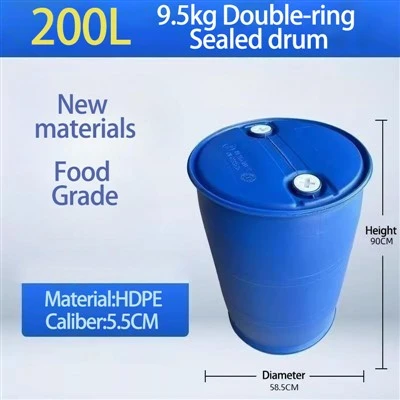
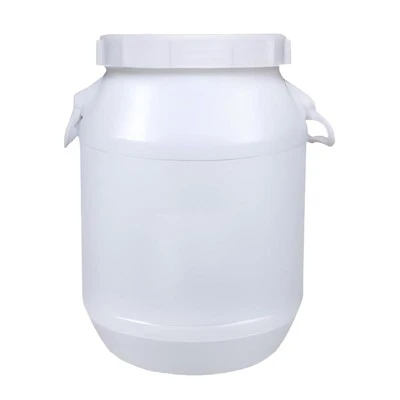
As a Sealed Barrel supplier, we offer a wide range of products to meet different needs. Our Sealed Barrel collection is designed with high - quality materials and advanced sealing technologies. We also have Tight Head Plastic Drums, which provide excellent protection for various substances. Additionally, our Double - ring Sealed Drum offers an extra layer of security with its double - ring sealing system.
Conclusion and Call to Action
Sealing a glass barrel is a process that requires attention to detail and the right techniques. By following the steps outlined in this blog, you can ensure a proper seal and protect your valuable contents. If you're in the market for high - quality sealed barrels, we invite you to contact us for a detailed discussion. Our team of experts is ready to assist you in finding the perfect solution for your storage needs. Whether you're a small - scale business or a large industrial enterprise, we have the products and knowledge to meet your requirements.


References
- ASTM International Standards on Container Sealing
- Manufacturer's Guides for Sealing Materials
- Industry Best Practices for Glass Barrel Storage and Sealing