Hey there! As a supplier of Polypropylene Barrels, I often get asked, "Can polypropylene barrels be used for storing paints?" Well, let's dig into this topic and find out what the deal is.
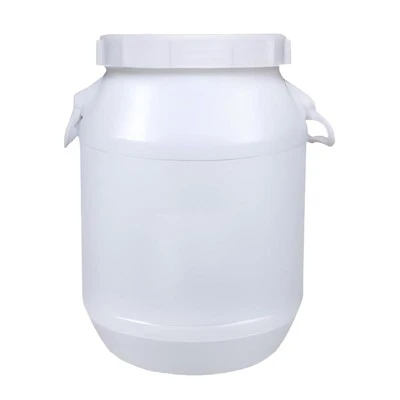
First off, let's talk a bit about polypropylene. Polypropylene is a type of thermoplastic polymer that's widely used in making all sorts of plastic products, including Polypropylene Barrel. It's known for its durability, chemical resistance, and relatively low cost. These features make it a popular choice for many storage applications.
When it comes to storing paints, there are several factors to consider. Paints are a complex mixture of pigments, binders, solvents, and additives. Different types of paints have different chemical compositions, and this can affect whether they're compatible with polypropylene barrels.
Compatibility with Different Types of Paints
Water - based Paints
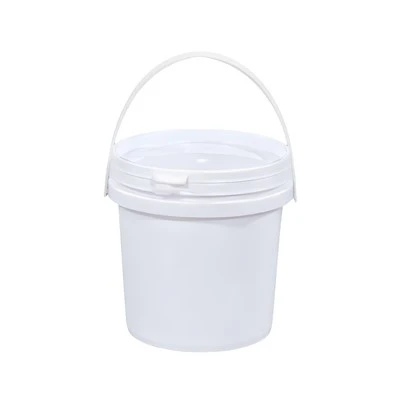
Water - based paints are probably the easiest to store in polypropylene barrels. These paints use water as the solvent, which means they're less likely to react with the polypropylene material. Polypropylene has good resistance to water, so there's little risk of the barrel degrading or the paint being contaminated. In fact, many water - based paint manufacturers use Pp Plastic Bucket or small polypropylene containers for sample sizes or small - scale production. The smooth surface of polypropylene also makes it easy to clean, which is a plus when you're dealing with paint residues.
Oil - based Paints
Oil - based paints are a bit more tricky. They typically use organic solvents like mineral spirits or turpentine, which can be more aggressive towards plastics. However, polypropylene has a relatively high resistance to many organic solvents. In most cases, short - term storage of oil - based paints in polypropylene barrels is fine. But for long - term storage, there's a small risk that the solvents in the paint could cause the polypropylene to swell or become brittle over time. This could potentially lead to leaks or a breakdown of the barrel structure. If you're planning to store oil - based paints for an extended period, it's a good idea to do a small test first. Just put a small amount of the paint in a small polypropylene container and check for any signs of reaction after a few weeks.
Epoxy Paints
Epoxy paints are highly reactive and often require special handling. They usually come in a two - part system, where the resin and the hardener are mixed just before use. Polypropylene can be used for short - term storage of the individual components before mixing. But once the epoxy is mixed, it starts to cure, and heat can be generated during the curing process. High temperatures can cause polypropylene to deform. So, it's not recommended to store mixed epoxy paints in polypropylene barrels for an extended period.
Advantages of Using Polypropylene Barrels for Paint Storage
- Lightweight: Polypropylene barrels are much lighter than metal barrels. This makes them easier to handle, transport, and store. You don't need heavy - duty equipment to move them around, which can save you a lot of time and effort.
- Cost - effective: Polypropylene is an inexpensive material compared to some other options like stainless steel. This means you can get a good - quality storage solution without breaking the bank. Whether you're a small paint manufacturer or a DIY enthusiast, polypropylene barrels can offer great value for money.
- Corrosion - resistant: Unlike metal barrels, polypropylene barrels don't rust or corrode. This is especially important when storing paints, as any rust particles could contaminate the paint and affect its quality.
- Variety of Sizes: We offer a wide range of sizes, including 5L PP Plastic Drum, 10L PP Plastic Drum, and 25L PP Plastic Drum. This allows you to choose the right size for your specific needs, whether you're storing small amounts of specialty paint or large quantities for industrial use.
Precautions When Using Polypropylene Barrels for Paint Storage
- Temperature: Extreme temperatures can affect both the paint and the polypropylene barrel. High temperatures can cause the barrel to deform or the paint to dry out or separate. Low temperatures can make the paint thicken or freeze, which can also damage the barrel. It's best to store the barrels in a cool, dry place away from direct sunlight and heat sources.
- Sealing: Make sure the barrels are properly sealed to prevent air and moisture from getting in. This can help maintain the quality of the paint and prevent it from drying out or developing mold.
- Labeling: Always label the barrels clearly with the type of paint, the date of storage, and any other relevant information. This will make it easier to identify the paint and ensure that you're using it within its recommended shelf life.
In conclusion, polypropylene barrels can be a great option for storing paints, especially water - based paints. For oil - based and epoxy paints, they can be used for short - term storage with some precautions. If you're in the market for high - quality polypropylene barrels for paint storage or any other application, we've got you covered. Our barrels are made from top - notch polypropylene materials and are designed to meet the highest standards of quality and durability.


If you're interested in learning more or are ready to make a purchase, don't hesitate to reach out. We're here to help you find the perfect polypropylene barrel solution for your paint storage needs.
References
- "Plastics in Packaging Applications" by John Murphy
- "Paint Technology Handbook" by David S. Thompson