Yo, I'm a supplier of Round Plastic Barrels. Over the years, I've seen a common headache among my clients: round plastic barrels cracking in cold weather. It's a real bummer because these barrels are super useful in so many industries, from agriculture to manufacturing. So, I thought I'd share some tips on how to prevent this from happening.
Understanding Why Plastic Barrels Crack in Cold Weather
First things first, let's talk about why plastic barrels crack when it gets cold. Plastic has a property called "thermal expansion and contraction." When temperatures drop, plastic contracts. If the barrel is full or has some kind of internal pressure, the contraction can cause stress on the plastic walls. Over time, or if the cold is extreme, this stress can lead to cracks.
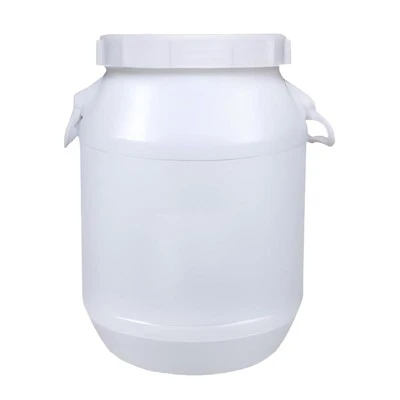
Another factor is the type of plastic used. Some plastics are more brittle in cold temperatures than others. For example, polypropylene is generally more flexible and resistant to cold cracking compared to some types of rigid PVC. As a supplier, I always make sure to choose high - quality plastics for my Round Plastic Barrel that can withstand low temperatures as much as possible.
Choosing the Right Barrel
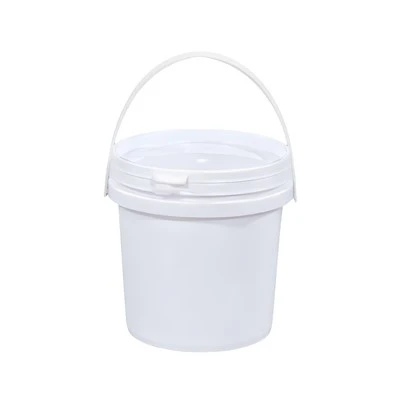
When it comes to preventing cold - weather cracking, the choice of barrel is crucial. If you're in an area with harsh winters, look for barrels made from cold - resistant plastics. I've got a great selection of Round Plastic Pail and Round Plastic Bucket that are designed to handle cold conditions. These barrels are made from a special blend of plastics that maintain their flexibility even in freezing temperatures.
Also, consider the thickness of the barrel walls. Thicker walls can generally withstand more stress from contraction. But be careful not to go overboard, as thicker barrels might be heavier and more expensive. For most applications, a medium - thick wall is a good balance between durability and cost.


Proper Storage
How you store your plastic barrels in cold weather can make a huge difference. First off, try to keep them indoors if possible. A warehouse or storage shed can provide a more stable temperature environment. If you don't have indoor storage, you can use insulation materials. Wrap the barrels with blankets or special insulation wraps. This helps to slow down the cooling process and reduce the stress on the plastic.
Don't stack the barrels too high. When it's cold, the plastic becomes more brittle, and the weight of the upper barrels can cause cracking in the lower ones. Leave some space between the barrels to allow for air circulation. This helps to maintain a more even temperature around the barrels.
Handling the Contents
The stuff you put inside the barrels can also affect their performance in cold weather. If you're storing liquids, avoid filling the barrels to the brim. As liquids freeze, they expand, which can put a lot of pressure on the barrel walls. Leave some headspace at the top to accommodate this expansion.
For example, if you're using a 100L Round Plastic Drum to store water, don't fill it more than about 90%. This way, when the water freezes, there's room for it to expand without cracking the drum.
If you're storing chemicals, make sure they're compatible with the plastic of the barrel. Some chemicals can react with the plastic, making it more vulnerable to cold - weather cracking. Always check the chemical compatibility chart before filling the barrels.
Regular Inspections
Even if you follow all the above steps, it's still a good idea to inspect your barrels regularly during cold weather. Look for any signs of stress, such as small cracks or bulges. If you catch these problems early, you can take action to prevent them from getting worse.
You can use a simple visual inspection. Walk around the barrels and look at them from different angles. If you see any damage, isolate the barrel and decide whether to repair it or replace it. Sometimes, a small crack can be fixed with a plastic repair kit, but if the damage is extensive, it's better to get a new barrel.
Maintenance and Care
Proper maintenance can also extend the life of your plastic barrels in cold weather. Clean the barrels regularly. Dirt and debris can accumulate on the surface, and in cold temperatures, this can act as a stress point, leading to cracking. Use a mild detergent and a soft cloth or sponge to clean the barrels.
Avoid exposing the barrels to sharp objects or rough handling. A small scratch on the surface can become a starting point for a crack in cold conditions. When moving the barrels, use proper lifting equipment and be gentle.
Conclusion
Preventing round plastic barrels from cracking in cold weather isn't rocket science. By choosing the right barrel, storing it properly, handling the contents carefully, doing regular inspections, and maintaining it well, you can significantly reduce the risk of cracking.
If you're in the market for high - quality round plastic barrels that can stand up to cold weather, I'm here to help. Whether you need a Round Plastic Pail, Round Plastic Bucket, or a Round Plastic Barrel, I've got a wide range of options to meet your needs. Contact me to discuss your requirements and let's find the perfect solution for you.
References
- "Plastics in Cold Weather: Properties and Applications." Plastic Industry Journal, 2020.
- "Thermal Expansion and Contraction in Plastics." Materials Science Review, 2019.