In the world of construction and industrial applications, the quality of components such as frame tie rods can significantly impact the safety and durability of structures. As a frame tie rod supplier, I often encounter customers who are unsure how to assess the quality of these critical parts. In this blog post, I'll share some practical insights on how you can determine whether a frame tie rod is of good quality.
1. Material Quality
The foundation of a high - quality frame tie rod lies in its material. The most common materials for frame tie rods are steel and stainless steel, each with its own advantages.
Steel
Steel is widely used due to its high strength and relatively lower cost. When evaluating a steel frame tie rod, check for its carbon content. A proper carbon content ensures the right balance between strength and ductility. High - quality steel tie rods should also have good resistance to corrosion. This can be achieved through proper heat treatment and surface coatings. For example, galvanization is a popular method that adds a protective zinc layer to the steel, preventing rust and extending the tie rod's lifespan.
Stainless Steel
Stainless steel tie rods are preferred in environments where corrosion resistance is a top priority, such as in coastal areas or chemical plants. The quality of stainless steel is often determined by its alloy composition. Look for tie rods made from grades like 304 or 316 stainless steel. Grade 304 is a general - purpose stainless steel, while grade 316 offers better resistance to chloride corrosion, making it ideal for harsh marine environments.
2. Manufacturing Process
The manufacturing process has a direct impact on the quality of frame tie rods.
Forging
Forged tie rods are generally stronger than those made by other methods. Forging involves shaping the metal under high pressure, which aligns the grain structure of the metal, resulting in improved strength and toughness. A high - quality forged frame tie rod will have a consistent and fine - grained structure, visible under a microscope.
Machining
Precision machining is crucial for ensuring the proper fit and function of the tie rod. The threads should be accurately cut, with a consistent pitch and depth. Any irregularities in the threads can lead to poor connections and potential failure. High - precision machining equipment, such as CNC (Computer Numerical Control) machines, is often used in the production of high - quality tie rods.

3. Dimensional Accuracy
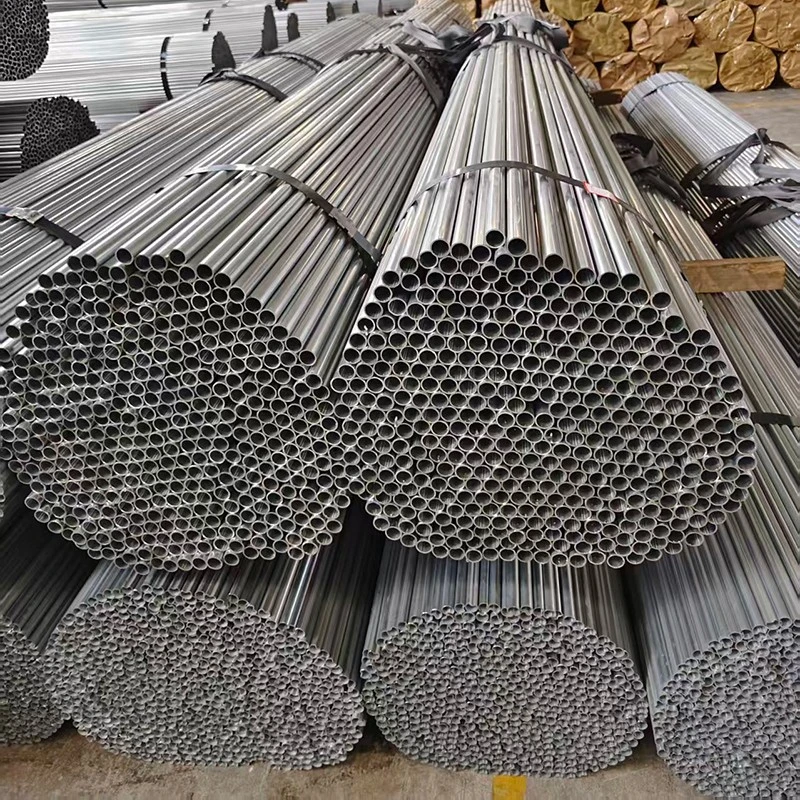
Accurate dimensions are essential for frame tie rods to work effectively.
Length
The length of the tie rod should match the specifications of the application. Even a small deviation in length can cause misalignment in the structure, leading to increased stress on other components. Use a calibrated measuring tool, such as a micrometer or a caliper, to verify the length of the tie rod.
Diameter and Thread Size
The diameter of the tie rod and the size of its threads must be within the specified tolerances. Incorrect thread sizes can result in loose or overly tight connections, both of which can compromise the integrity of the structure. Check the thread size using a thread gauge to ensure a proper fit.
4. Surface Finish
A good surface finish not only enhances the appearance of the frame tie rod but also contributes to its performance.
Smoothness
A smooth surface reduces the risk of stress concentration points, which can lead to fatigue failure. Look for tie rods with a uniform and smooth surface finish. Any rough spots, scratches, or pits can act as starting points for cracks.
Coating Adhesion
If the tie rod has a surface coating, such as paint or galvanization, check the adhesion of the coating. A well - adhered coating will provide better protection against corrosion. You can perform a simple scratch test (within reason) to check if the coating flakes off easily.
5. Testing and Certification
Reputable suppliers should provide test results and certifications for their frame tie rods.
Load Testing
Load testing is a crucial way to ensure the strength of a tie rod. The tie rod should be able to withstand the specified load without permanent deformation or failure. Ask the supplier for load - test reports, which will show the maximum load the tie rod can handle.
Certification
Certifications from recognized standards organizations, such as ISO (International Organization for Standardization), ensure that the tie rod has been manufactured according to international quality standards. Make sure the supplier can provide valid certifications for the products they offer.
Related Products
In addition to frame tie rods, here are some related products that you might find useful in your construction or industrial projects:
- IBC Metal Lifting Plate: Ideal for safely lifting IBC containers.
- Frame Mesh Panel: Can be used in various structures for added support and protection.
- Top Horizontal Tube: Provides horizontal stability in frames and structures.
- Bottom Tube: An important component for the base of many structures.
- IBC Tote Bottom Pipe: Designed for the bottom part of IBC totes, ensuring proper drainage and flow.
Conclusion
Determining the quality of a frame tie rod requires a comprehensive assessment of its material, manufacturing process, dimensional accuracy, surface finish, and testing results. By paying attention to these factors, you can ensure that you are selecting high - quality tie rods for your projects.
If you are in the market for frame tie rods or any of our related products, we are here to help. Our team of experts can provide you with detailed information and guidance to ensure you make the right choice for your specific needs. Contact us for a consultation and let's discuss how we can meet your procurement requirements.
References
- ASME (American Society of Mechanical Engineers) Standards.
- ASTM (American Society for Testing and Materials) Standards for Metals.
- ISO (International Organization for Standardization) Documentation on Manufacturing Quality.