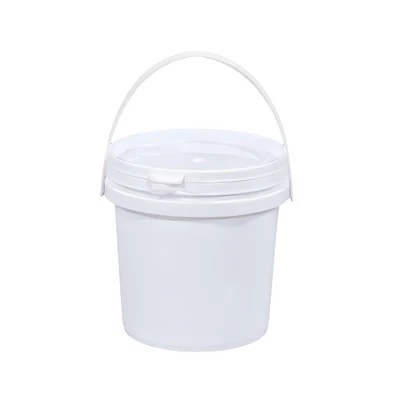
Flat-bottomed barrels are versatile storage solutions widely used for various purposes, such as storing liquids, grains, and chemicals. However, one common challenge that users face is preventing pests from getting into these barrels. As a reputable Flat-bottomed Barrel supplier, we understand the importance of keeping your stored items safe from unwanted intruders. In this blog post, we'll share some effective strategies to help you prevent pests from accessing your flat-bottomed barrels.
Understanding the Threat
Before we delve into prevention methods, it's crucial to understand the types of pests that might target your flat-bottomed barrels. Common pests include insects like ants, beetles, and moths, as well as rodents like mice and rats. These pests are attracted to the contents of the barrels, whether it's food, water, or other organic materials. They can cause damage to the barrels, contaminate the stored items, and pose health risks.
Choose the Right Barrel
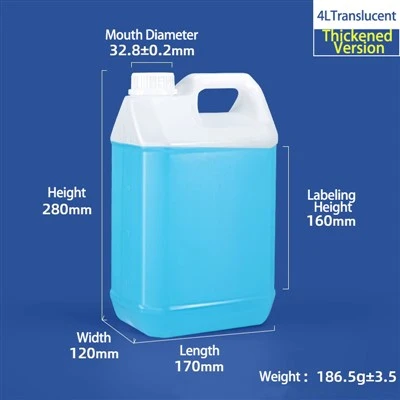
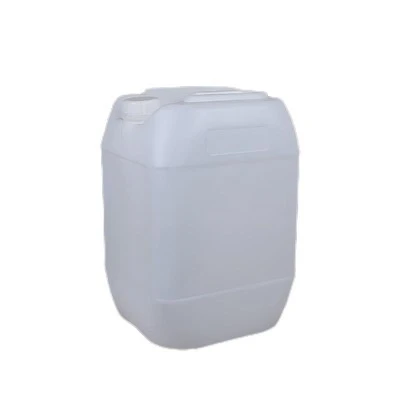
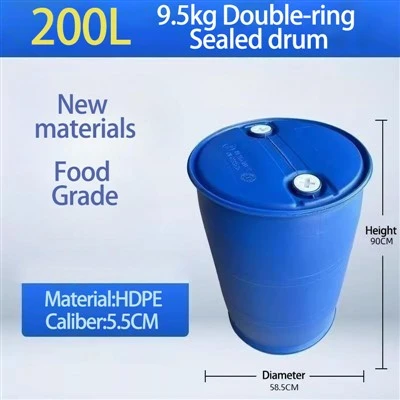
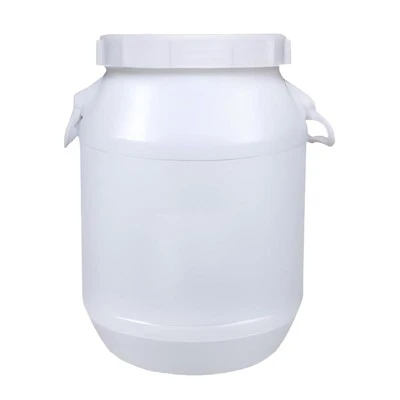
The first step in preventing pest infestations is selecting the appropriate Flat-bottomed Barrel. Our company offers a range of sizes, including the 4L Flat-bottomed Barrel, 10L Flat-bottomed Barrel, 6L Flat-bottomed Barrel, 5L Flat-bottomed Barrel, and more. When choosing a barrel, consider the following factors:
- Material: Opt for high-quality, durable materials that are resistant to pests. Plastic barrels are a popular choice as they are less likely to be chewed through by rodents compared to wooden barrels.
- Seal: Ensure the barrel has a tight-fitting lid or seal. A good seal will prevent pests from entering the barrel and keep the contents fresh.
Proper Storage Location
The location where you store your flat-bottomed barrels can significantly impact the likelihood of pest infestations. Here are some tips for choosing the right storage location:
- Cleanliness: Keep the storage area clean and free of debris. Pests are attracted to dirt and food particles, so regularly sweep and mop the area around the barrels.
- Elevation: Store the barrels off the ground. This can prevent pests like rodents from easily accessing the barrels and also helps to avoid moisture damage. You can use pallets or shelves to elevate the barrels.
- Temperature and Humidity: Pests thrive in warm and humid environments. Try to store the barrels in a cool, dry area to discourage pest activity. If possible, use a dehumidifier to control the humidity levels.
Regular Inspections
Regular inspections are essential to detect and address pest problems early. Check the barrels and the surrounding area for signs of pest activity, such as droppings, gnaw marks, or holes. If you notice any signs of pests, take immediate action to prevent further infestation. Here's what you can do during inspections:
- Visual Checks: Inspect the outside of the barrels for any visible damage or signs of pests. Look for cracks, holes, or loose lids that could provide entry points for pests.
- Contents Check: If possible, periodically check the contents of the barrels for signs of contamination or pest presence. This is especially important for storing food or other perishable items.
Seal Entry Points
Even the smallest gaps or holes can allow pests to enter the barrels. To prevent this, seal any entry points on the barrels and in the storage area. Here are some sealing methods:
- Barrel Sealing: Use waterproof sealant to seal any cracks or holes in the barrels. Make sure to apply the sealant evenly and allow it to dry completely before using the barrel.
- Storage Area Sealing: Seal any gaps or holes in the walls, floors, and ceilings of the storage area. This can prevent pests from entering the area and reaching the barrels. You can use caulk, foam sealant, or wire mesh to seal these openings.
Use Pest Repellents
Pest repellents can be an effective way to deter pests from approaching the barrels. There are various types of pest repellents available, including natural and chemical options. Here are some common pest repellents:
- Natural Repellents: Some natural substances, such as peppermint oil, cinnamon, and cloves, are known to repel pests. You can soak cotton balls in these essential oils and place them around the barrels to keep pests away.
- Chemical Repellents: Chemical pest repellents can provide long-lasting protection. However, make sure to use them according to the manufacturer's instructions to avoid any health risks.
Keep the Barrels Clean
Maintaining the cleanliness of the barrels is crucial for preventing pest infestations. Here are some cleaning tips:
- Regular Cleaning: Clean the barrels regularly, especially if they are used to store food or other organic materials. Use a mild detergent and water to clean the inside and outside of the barrels.
- Drying: After cleaning, make sure the barrels are completely dry before storing any items in them. Moisture can attract pests and cause mold growth.
Secure the Barrels
In addition to sealing and cleaning, it's important to secure the barrels to prevent pests from knocking them over or accessing the contents. Here are some securing methods:
- Locks: Use locks or latches to secure the lids of the barrels. This can prevent pests from opening the barrels and accessing the contents.
- Stacking: If you need to stack the barrels, make sure they are stacked securely to prevent them from toppling over. You can use straps or bands to secure the stacked barrels.
Educate Your Staff
If you have employees or staff who handle the flat-bottomed barrels, it's important to educate them about pest prevention. Provide training on proper storage, handling, and inspection procedures to ensure that everyone is aware of the importance of keeping the barrels pest-free.
Conclusion
Preventing pests from getting into flat-bottomed barrels requires a combination of proper barrel selection, storage location, regular inspections, sealing entry points, using pest repellents, keeping the barrels clean, and securing them. By following these strategies, you can protect your stored items from pests and ensure the longevity of your flat-bottomed barrels.


At our company, we are committed to providing high-quality Flat-bottomed Barrel solutions that meet your needs. If you have any questions or are interested in purchasing our products, please feel free to contact us for a purchase negotiation. We look forward to serving you!
References
- "Pest Management in Storage Facilities." University of California Agriculture and Natural Resources.
- "Preventing Rodent Infestations in Food Storage Areas." Food and Drug Administration.
- "Natural Pest Repellents for Home and Garden." National Pesticide Information Center.