Hey there! As a supplier of Sealed Barrels, I've seen firsthand the importance of keeping these containers hygienic. Whether you're using them for storing food products, chemicals, or other goods, maintaining proper hygiene in sealed barrels is crucial for product integrity and safety. In this blog post, I'll share some practical tips on how to ensure the hygiene of a sealed barrel.
1. Choose the Right Barrel
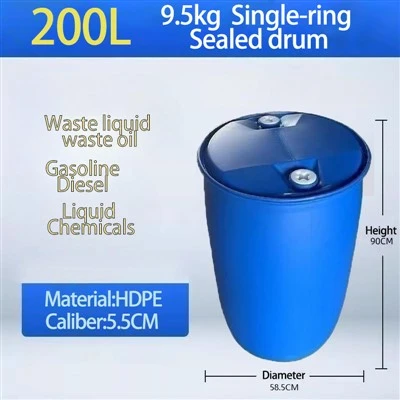
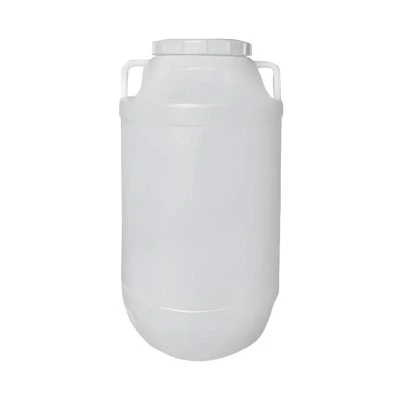
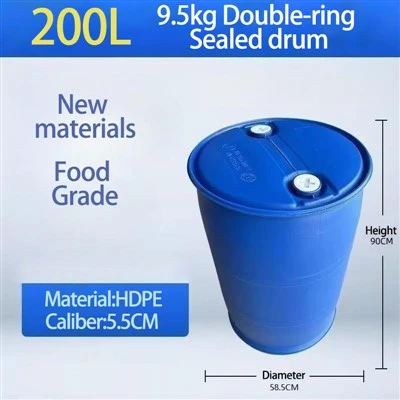
First things first, picking the appropriate barrel can make a huge difference in maintaining hygiene. At our place, we offer a variety of sealed barrels, like Double-ring Sealed Drums and Tight Head Plastic Drums. These barrels are designed with high - quality materials that are resistant to corrosion, leakage, and microbial growth.


For food - grade applications, opt for barrels made from food - safe plastics or stainless steel. These materials are non - toxic and won't contaminate the stored products. Also, consider the size and shape of the barrel. A barrel with smooth interior walls is easier to clean than one with lots of crevices where dirt and bacteria can hide.
2. Pre - Use Cleaning
Before you start using a new sealed barrel, it's essential to give it a thorough cleaning. This helps remove any manufacturing residues, dust, or debris that might be present.
- Rinsing: Begin by rinsing the barrel with clean, warm water. You can use a hose or a pressure washer for a more efficient rinse. Make sure to cover the entire interior surface of the barrel, including the lid and any fittings.
- Detergent Cleaning: If there are stubborn stains or residues, use a mild detergent. Mix the detergent with water according to the manufacturer's instructions and use a long - handled brush to scrub the inside of the barrel. Pay special attention to the corners and seams.
- Rinsing Again: After scrubbing, rinse the barrel multiple times with clean water to remove all traces of the detergent. Residual detergent can contaminate the stored products, so this step is very important.
- Drying: Let the barrel air - dry completely before using it. You can place it in a well - ventilated area or use a fan to speed up the drying process. Moisture can promote the growth of mold and bacteria, so ensuring the barrel is dry is key.
3. Proper Storage Conditions
Where you store your sealed barrels can have a big impact on their hygiene.
- Temperature and Humidity: Keep the barrels in a cool, dry place. High temperatures and humidity can create a breeding ground for bacteria and fungi. Ideally, the storage area should have a temperature between 10 - 30°C (50 - 86°F) and a relative humidity below 60%.
- Ventilation: Good ventilation helps prevent the buildup of odors and moisture. Make sure the storage area has proper air circulation. You can use fans or open windows to improve ventilation.
- Protection from Contaminants: Store the barrels away from sources of contamination, such as chemicals, pesticides, and dust. If possible, keep them on pallets to prevent contact with the floor, which may be dirty.
4. Regular Inspections
Regularly inspecting your sealed barrels is a must - do to catch any hygiene issues early on.
- Visual Checks: Look for signs of damage, such as cracks, dents, or leaks. These can allow contaminants to enter the barrel. Also, check for any signs of mold, mildew, or discoloration on the outside and inside of the barrel.
- Seal Integrity: Check the seals on the barrel regularly. A damaged or worn - out seal can lead to leakage and contamination. If you notice any issues with the seal, replace it immediately.
5. Cleaning During Use
If you're using the barrel for long - term storage, it's important to clean it periodically, even if it's sealed.
- Partial Emptying and Cleaning: If you can, partially empty the barrel and clean the accessible parts. Use a clean cloth or sponge to wipe the interior walls and remove any spills or residues.
- Deep Cleaning: Every few months, depending on the stored product, perform a deep cleaning. Follow the pre - use cleaning steps mentioned earlier.
6. Handling and Transfer
Proper handling and transfer of products in and out of the sealed barrel are also important for hygiene.
- Clean Equipment: Use clean and sanitized equipment when transferring products. For example, if you're using a pump or a hose, make sure they are clean before use.
- Preventing Contamination: Avoid introducing contaminants during the transfer process. For instance, keep the lid on the barrel as much as possible, and don't let the equipment touch dirty surfaces.
7. Post - Use Cleaning
Once you've emptied the barrel, it's time for a final deep cleaning.
- Immediate Rinsing: As soon as the barrel is empty, rinse it out with water to remove any remaining product. The longer the residue sits, the harder it will be to clean.
- Thorough Cleaning: Follow the pre - use cleaning steps again, including using a detergent if necessary. Rinse and dry the barrel completely.
8. Documentation
Keep a record of all the cleaning and inspection activities. This documentation can be useful for quality control purposes and can also help you identify any recurring issues.
In conclusion, ensuring the hygiene of a sealed barrel involves a combination of choosing the right barrel, proper cleaning, storage, inspection, handling, and documentation. By following these tips, you can keep your products safe and your barrels in top - notch condition.
If you're in the market for high - quality Sealed Barrels, Double-ring Sealed Drums, or Tight Head Plastic Drums, we'd love to have a chat with you. Reach out to us for more information and to discuss your specific needs. We're here to help you find the perfect solution for your storage requirements.
References
- Food Safety and Inspection Service. (2023). Guidelines for Cleaning and Sanitizing Food Contact Surfaces.
- International Association of Drums and Containers. (2022). Best Practices for Barrel Hygiene.