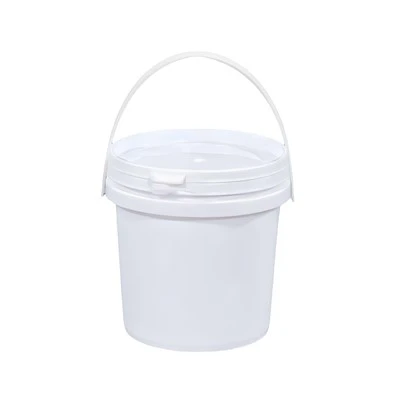
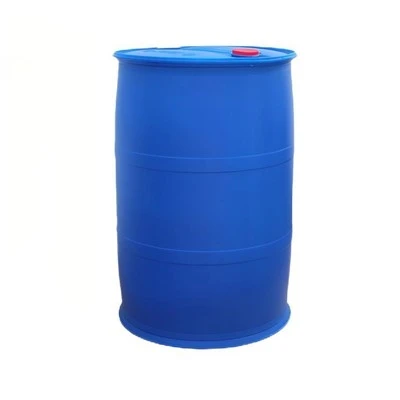
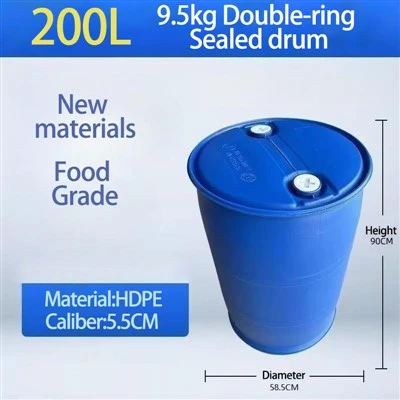
Hey there! As a supplier of PP plastic buckets, I've seen my fair share of questions about how to store these things when they're not in use. It might seem like a no - brainer, but there are actually quite a few factors to consider to make sure your buckets stay in tip - top shape.
First off, let's talk about why proper storage is so important. PP, or polypropylene, is a great material for buckets. It's durable, resistant to many chemicals, and has a relatively long lifespan. But if you don't store it correctly, you can end up with issues like warping, cracking, or even discoloration. This can not only make your buckets look bad but also reduce their functionality.
1. Clean the Buckets Thoroughly
Before you store your PP plastic buckets, you need to give them a good clean. If there's any residue left inside, it could react with the plastic over time. For example, if you've used the bucket to store acidic substances, the acid could eat away at the plastic, causing it to weaken.
Start by emptying the bucket completely. Then, use a mild detergent and warm water to wash the inside and outside. Make sure to scrub all the corners and crevices. Rinse it thoroughly to remove all the soap. You can even use a soft brush to get rid of stubborn stains. Once it's clean, let it dry completely. You don't want any moisture trapped inside, as that can lead to mold growth.
2. Choose the Right Storage Location
The location where you store your PP plastic buckets matters a lot. You want to find a place that's cool, dry, and away from direct sunlight.
Sunlight can be a real problem for PP plastic. UV rays can break down the molecular structure of the plastic, making it brittle and prone to cracking. So, avoid storing your buckets in an area that gets a lot of sun, like a shed that faces south or a balcony.
High humidity is also a no - no. Moisture in the air can cause the plastic to absorb water, which can lead to swelling and warping. A basement that floods or a bathroom with poor ventilation are definitely not good storage spots.
Instead, look for a storage room or a closet that has a stable temperature and low humidity. If you don't have an indoor space, you can use a covered outdoor storage unit, but make sure it's well - ventilated.
3. Stacking and Arrangement
When it comes to stacking your PP plastic buckets, you need to be careful. You don't want to stack them too high, as this can put too much pressure on the bottom buckets and cause them to deform.
If you have different sizes of buckets, stack the larger ones on the bottom and the smaller ones on top. This helps distribute the weight evenly. You can also use dividers or spacers between the buckets to prevent them from rubbing against each other, which can cause scratches.
For example, if you have 25L PP Plastic Drum, 20L PP Plastic Drum, 10L PP Plastic Drum, and 3L PP Plastic Drum, stack the 25L drum at the bottom, followed by the 20L, 10L, and 3L drums on top.
4. Protect from Physical Damage
PP plastic buckets can be damaged by sharp objects or heavy impacts. To prevent this, you can cover the buckets with a protective material, like a tarp or a plastic sheet. This will shield them from dust, dirt, and any accidental bumps.
If you're storing the buckets in a warehouse or a storage facility, make sure there's enough space around them. You don't want other items to fall on them or push against them. You can also use racks or shelves to keep the buckets organized and separated from other objects.
5. Consider the Lid
Don't forget about the lids! If you have lids for your PP plastic buckets, store them properly as well. You can attach the lids to the buckets or store them separately in a container. Make sure the lids are clean and dry before storage.

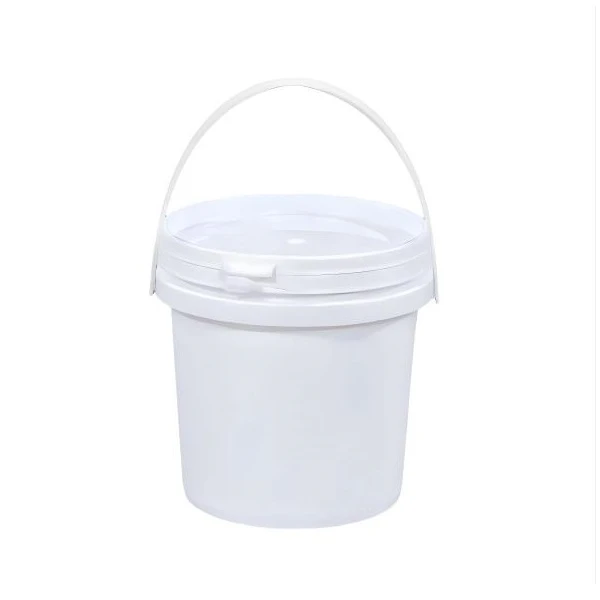
If the lids are made of the same PP plastic, they'll have similar storage requirements. But if they're made of a different material, like rubber or metal, you need to take that into account. For example, rubber lids can dry out and crack if they're exposed to extreme temperatures, so keep them in a moderate environment.
6. Inspect Regularly
Even if you've stored your PP plastic buckets correctly, it's a good idea to inspect them regularly. Check for any signs of damage, like cracks, warping, or discoloration. If you notice any issues, you can take action right away.
For example, if you see a small crack in a bucket, you might be able to repair it with a plastic adhesive. But if the damage is too severe, you might need to replace the bucket. Regular inspections can help you catch problems early and save you money in the long run.
7. Chemical Compatibility
If you plan to store chemicals in your PP plastic buckets in the future, make sure to consider chemical compatibility during storage. Some chemicals can react with the plastic over time, even if the buckets are empty.
If you've used the buckets to store a particular chemical, make sure to label them clearly. When you're storing them, keep them away from other chemicals that might react with the residue left in the buckets.
8. Long - Term Storage
For long - term storage, you might want to take some extra precautions. You can wrap the buckets in bubble wrap or foam to provide additional protection. You can also use desiccants to absorb any moisture in the storage area.
If you're storing a large number of Polypropylene Barrel, you might want to consider using a climate - controlled storage facility. This can help maintain a stable temperature and humidity level, which is crucial for the long - term preservation of the plastic.
In conclusion, storing PP plastic buckets when not in use requires a bit of effort, but it's definitely worth it. By following these tips, you can ensure that your buckets stay in good condition and are ready to use whenever you need them.
If you're in the market for high - quality PP plastic buckets, we're here to help. Whether you need small 3L drums or large 25L barrels, we've got a wide range of products to meet your needs. Feel free to reach out to us for more information and to discuss your purchasing requirements. We're always happy to have a chat and find the best solutions for you.
References
- "Plastic Materials Handbook" by Donald V. Rosato
- "Polymer Science and Technology" by Robert J. Young and Peter A. Lovell