Hey there! As a Hook Pull Rod supplier, I often get asked about the minimum bending radius of these rods. It's a crucial question because the bending radius can significantly impact the performance and durability of the Hook Pull Rod. So, let's dive right into it.
Understanding the Basics of Bending Radius
First off, what exactly is the bending radius? Well, it's the radius of the inside curve when a rod is bent. The minimum bending radius is the smallest radius to which you can bend the rod without causing damage like cracking, breaking, or losing its structural integrity.
For Hook Pull Rods, the minimum bending radius depends on several factors. One of the main factors is the material of the rod. Different materials have different properties, such as ductility and strength. For example, if the Hook Pull Rod is made of a more ductile material, it can usually be bent to a smaller radius compared to a less ductile one.
Factors Affecting the Minimum Bending Radius
Material Properties
The material of the Hook Pull Rod plays a huge role. Metals like steel and aluminum are commonly used for these rods. Steel is known for its high strength, but it might not be as ductile as aluminum in some cases. So, a steel Hook Pull Rod might have a larger minimum bending radius than an aluminum one.
Let's say you're using a Hook Pull Rod made of high - carbon steel. High - carbon steel is very strong but less malleable. This means that when you try to bend it, you need to have a relatively large bending radius to avoid cracking. On the other hand, an aluminum Hook Pull Rod can often be bent to a smaller radius because aluminum is more ductile.
Rod Diameter
The diameter of the Hook Pull Rod also affects the minimum bending radius. Generally, the larger the diameter of the rod, the larger the minimum bending radius. This is because a thicker rod has more material that needs to be deformed during the bending process.
For instance, if you have a thin Hook Pull Rod with a small diameter, you can bend it to a smaller radius without too much trouble. But if you're dealing with a thick rod, you'll need to use a larger bending radius to ensure that the rod doesn't break or develop internal stress that could lead to failure later on.
Bending Method
The method used to bend the Hook Pull Rod is another important factor. There are different bending methods, such as cold bending and hot bending. Cold bending is done at room temperature, while hot bending involves heating the rod to a specific temperature before bending.
Hot bending usually allows for a smaller minimum bending radius because the heat makes the material more malleable. When the rod is heated, the atoms in the material can move more freely, making it easier to deform the rod. However, hot bending requires special equipment and careful control of the temperature to avoid overheating and damaging the material.
Calculating the Minimum Bending Radius
Calculating the exact minimum bending radius for a Hook Pull Rod can be a bit tricky. It often involves complex engineering formulas that take into account the material properties, rod diameter, and the bending method.
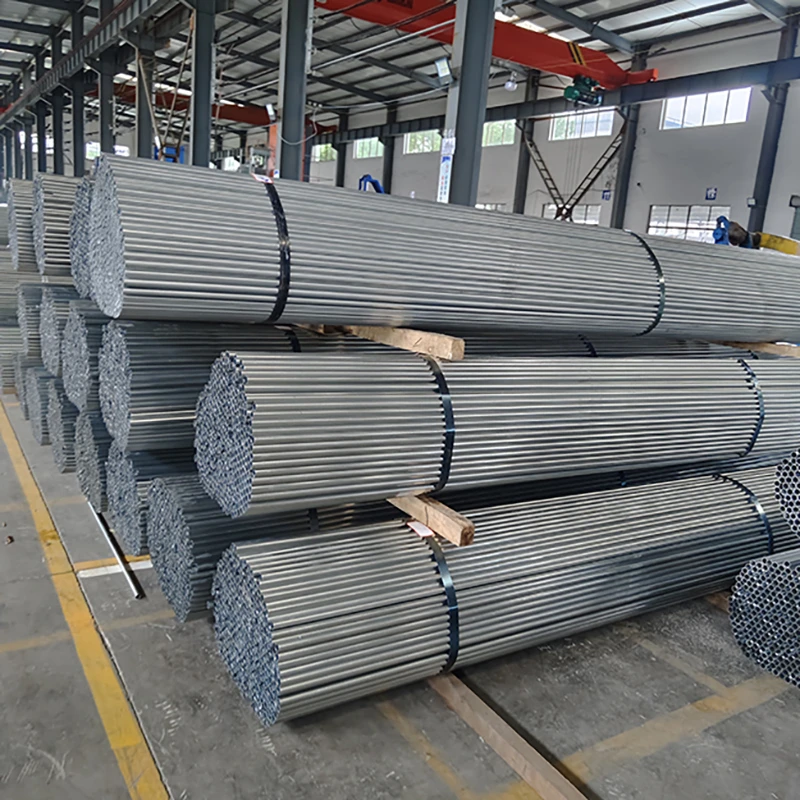
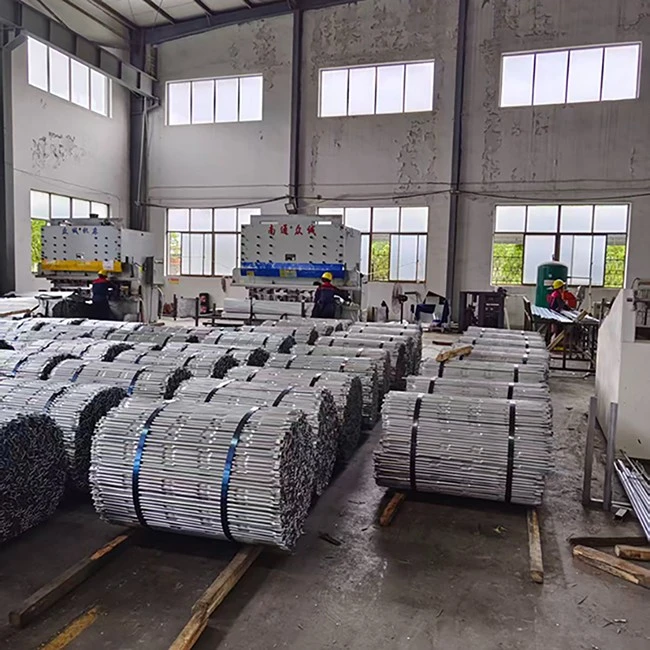
In general, for most common materials and applications, manufacturers provide guidelines based on their experience and testing. For example, if you're using a standard steel Hook Pull Rod, the manufacturer might recommend a minimum bending radius of 3 - 5 times the rod diameter for cold bending. For hot bending, this radius might be reduced to 2 - 3 times the rod diameter.
But it's important to note that these are just general guidelines. The actual minimum bending radius can vary depending on the specific requirements of your project and the quality of the material.
Importance of the Minimum Bending Radius
Why is it so important to know the minimum bending radius of a Hook Pull Rod? Well, if you bend the rod to a radius smaller than the minimum, it can lead to a number of problems.
Firstly, it can cause cracks or fractures in the rod. These cracks can weaken the rod and make it more likely to break under stress. This is especially dangerous in applications where the Hook Pull Rod is used to support heavy loads or in critical systems.
Secondly, bending the rod beyond its minimum radius can cause internal stress in the material. This stress can lead to premature failure of the rod, even if there are no visible cracks. Over time, the internal stress can cause the material to fatigue and eventually break.
Applications and the Minimum Bending Radius
Hook Pull Rods are used in a variety of applications, and the minimum bending radius can vary depending on the application.
In automotive applications, for example, Hook Pull Rods are often used in suspension systems. In these systems, the rods need to be bent to specific radii to fit the design of the vehicle. The minimum bending radius is crucial to ensure that the rods can withstand the vibrations and stresses experienced during driving.
In construction, Hook Pull Rods can be used in scaffolding and other structural applications. Here, the minimum bending radius is important to ensure the stability and safety of the structure. If the rods are bent to a radius that is too small, the structure might not be able to support the intended loads.
Related Metal Parts and Their Bending Requirements
When dealing with Hook Pull Rods, it's also important to consider other related metal parts. For example, the Top Horizontal Tube and Horizontal Frame Tube are often used in conjunction with Hook Pull Rods.
These tubes also have their own minimum bending radii, which are determined by similar factors as the Hook Pull Rods. The material, diameter, and bending method all play a role in determining the minimum bending radius for these tubes.
Similarly, the Vertical Frame Tube and Metal Sheet Iron have their own bending requirements. Understanding these requirements is important when designing and constructing a structure that uses these parts.
Conclusion
In conclusion, the minimum bending radius of a Hook Pull Rod is a critical factor that depends on the material, rod diameter, and bending method. Knowing the minimum bending radius is essential to ensure the performance and durability of the rod in various applications.
If you're in the market for Hook Pull Rods or other related metal parts, and you have questions about the minimum bending radius or any other technical aspects, don't hesitate to reach out. We're here to help you make the right choices for your project. Whether you're working on a small DIY project or a large - scale industrial application, we can provide you with high - quality products and expert advice.
Let's start a conversation about your needs and see how we can assist you in getting the best Hook Pull Rods and related metal parts for your project.
References
- "Mechanical Properties of Metals" - A textbook on the properties of different metals and their behavior under stress.
- "Bending and Forming of Metal Rods" - An industry - specific guide on the bending processes of metal rods.
- Manufacturer's specifications for Hook Pull Rods and related metal parts.