The brewing industry is a complex and fascinating field, with a rich history that dates back thousands of years. Throughout this time, various tools and equipment have been developed to enhance the brewing process, and one such essential component is the flat-bottomed barrel. As a supplier of Flat-bottomed Barrel, I have witnessed firsthand the significant role these barrels play in the brewing process. In this blog post, I will delve into the various functions and benefits of flat-bottomed barrels in brewing, exploring how they contribute to the quality and character of the final product.
Storage and Fermentation
One of the primary roles of flat-bottomed barrels in the brewing process is storage and fermentation. These barrels provide a stable and controlled environment for the beer to ferment and mature. The flat bottom design allows for easy stacking and storage, maximizing space in the brewery. Additionally, the smooth surface of the barrel makes it easy to clean and sanitize, ensuring a hygienic environment for the beer.
During fermentation, the yeast in the beer consumes the sugars and produces alcohol and carbon dioxide. The flat-bottomed barrel provides a large surface area for the yeast to interact with the beer, promoting a more efficient fermentation process. The barrel also helps to regulate the temperature of the beer, preventing it from overheating or cooling too quickly. This is crucial for the development of the beer's flavor and aroma.
Aging and Flavor Development
Flat-bottomed barrels also play a crucial role in the aging and flavor development of beer. As the beer ages in the barrel, it undergoes a series of chemical reactions that contribute to its flavor and aroma. The porous nature of the barrel allows for a slow exchange of oxygen, which can help to mellow the beer and develop complex flavors.
The type of wood used in the barrel can also have a significant impact on the flavor of the beer. For example, oak barrels are commonly used in brewing because they impart a unique flavor and aroma to the beer. The tannins in the oak can add a subtle bitterness and astringency to the beer, while the vanillin and other compounds can contribute to a sweet and spicy flavor.
Carbonation and Conditioning
In addition to storage, fermentation, and aging, flat-bottomed barrels can also be used for carbonation and conditioning. After fermentation is complete, the beer can be transferred to a flat-bottomed barrel and allowed to carbonate naturally. This process involves adding a small amount of sugar to the beer, which the yeast consumes and produces carbon dioxide. The carbon dioxide is then trapped in the barrel, creating a fizzy and refreshing beer.
Conditioning is another important step in the brewing process that can be done in a flat-bottomed barrel. During conditioning, the beer is allowed to rest and mature for a period of time, which helps to improve its flavor and clarity. The flat-bottomed barrel provides a stable and controlled environment for the beer to condition, allowing it to develop its full potential.


Types of Flat-bottomed Barrels
There are several types of flat-bottomed barrels available for use in the brewing process, each with its own unique characteristics and benefits. Some of the most common types of flat-bottomed barrels include:
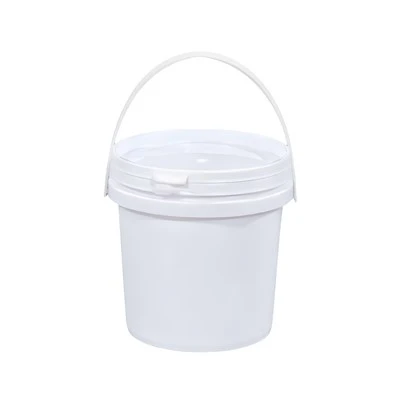
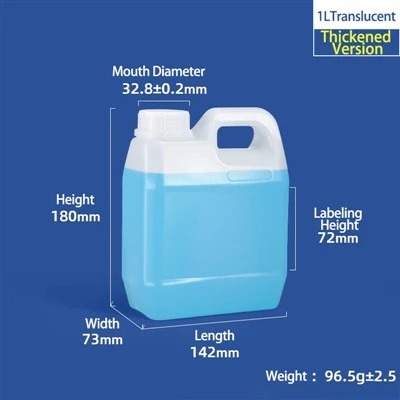
- 2L Flat-bottomed Barrel: These small barrels are ideal for homebrewers or small-scale breweries. They are easy to handle and store, and they can be used for a variety of brewing applications.
- 3L Flat-bottomed Barrel: Similar to the 2L barrel, the 3L barrel is also a popular choice for homebrewers and small-scale breweries. It provides a slightly larger capacity, making it suitable for brewing larger batches of beer.
- 5L Flat-bottomed Barrel: This medium-sized barrel is a versatile option that can be used for both homebrewing and commercial brewing. It provides a good balance between capacity and ease of use.
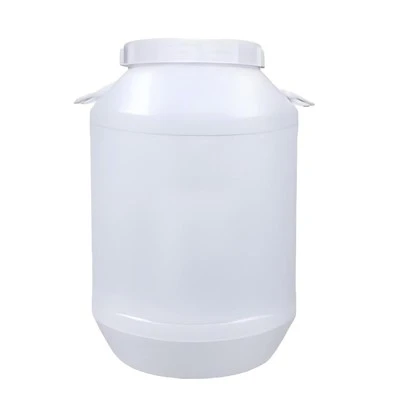
- 10L Flat-bottomed Barrel: These larger barrels are typically used in commercial breweries. They provide a higher capacity, allowing for the production of larger batches of beer.
Choosing the Right Flat-bottomed Barrel
When choosing a flat-bottomed barrel for your brewing needs, there are several factors to consider. These include:
- Capacity: The capacity of the barrel will depend on the size of your brewery and the amount of beer you plan to produce. If you are a homebrewer, a smaller barrel may be sufficient, while commercial breweries will require larger barrels.
- Material: Flat-bottomed barrels can be made from a variety of materials, including wood, plastic, and stainless steel. Each material has its own unique characteristics and benefits, so it's important to choose the one that best suits your needs.
- Quality: The quality of the barrel is also an important factor to consider. Look for barrels that are well-made and durable, and that have been properly treated and maintained.
Conclusion
In conclusion, flat-bottomed barrels play a crucial role in the brewing process. They provide a stable and controlled environment for storage, fermentation, aging, carbonation, and conditioning, and they contribute to the quality and character of the final product. As a supplier of Flat-bottomed Barrel, I am committed to providing high-quality barrels that meet the needs of brewers of all sizes. If you are interested in learning more about our products or would like to discuss your brewing needs, please feel free to contact us. We look forward to working with you to help you create the perfect beer.
References
- Bamforth, C. W. (2003). Brewing: New technologies. CRC Press.
- Fix, G. (1999). Principles of brewing science. Brewers Publications.
- Kunze, W. (2019). Technology brewing and malting. VLB Berlin.