Hey there! As a supplier of IBC Frame Nuts, I often get asked the question: "Can I use IBC Frame Nuts with aluminum IBC frames?" Let's dive right into this and break it down.
Understanding IBC Frames and Nuts
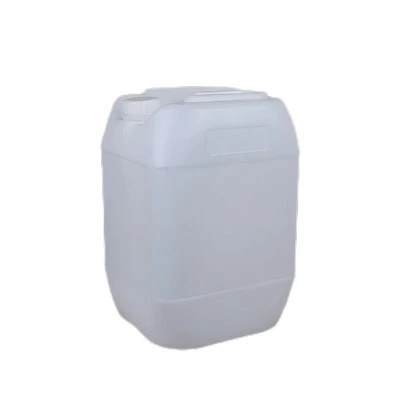
First off, let's get a clear picture of what we're talking about. Intermediate Bulk Containers (IBCs) are those big containers you often see in industrial settings. They are used to store and transport all sorts of stuff, from chemicals to food products. The frames of these IBCs are crucial because they provide the structure and support. There are different materials used for IBC frames, and aluminum is one popular choice. Aluminum is lightweight, corrosion - resistant, and relatively strong, making it a great option for many applications.
On the other hand, IBC Frame Nuts are the small but mighty components that help hold the frame together. They work in tandem with bolts to create a secure connection. But can they work with aluminum frames? Well, it depends on a few factors.
Compatibility Factors
Material Compatibility
One of the most important things to consider is the compatibility between the material of the nuts and the aluminum frames. Aluminum is a reactive metal. When different metals are in contact with each other, especially in a moist or corrosive environment, a process called galvanic corrosion can occur. Galvanic corrosion happens when two dissimilar metals are in an electrolyte (like water or a chemical solution) and form a galvanic cell. This can lead to the deterioration of one or both metals over time.
If you're using steel nuts with an aluminum frame, for instance, there's a high chance of galvanic corrosion. Steel is more anodic than aluminum, which means the steel will corrode preferentially in the presence of an electrolyte. To avoid this, you can use nuts made from materials that are more compatible with aluminum. For example, some nuts are made from stainless steel grades that are less likely to cause galvanic corrosion when in contact with aluminum. There are also aluminum - alloy nuts that are a perfect match for aluminum frames as they share the same base material.


Size and Fit
Another key factor is the size and fit of the nuts. IBC frames come in different sizes and designs, and the nuts need to be the right size to fit properly. A nut that is too big will not create a secure connection, while a nut that is too small may not be able to withstand the forces acting on the frame. You need to make sure that the threads on the nuts match the threads on the bolts used in the aluminum frames. Most IBC Frame Nuts are designed to meet standard thread sizes, but it's still a good idea to double - check.
Load and Stress Requirements
IBCs are designed to carry heavy loads. So, the nuts used in the frames need to be able to handle the stress generated by the weight of the contents and any external forces during transportation or storage. Aluminum frames are strong, but they have their own load - bearing limits. The nuts need to be selected based on the load requirements of the specific IBC application. If you're using a very heavy - duty IBC, you'll need nuts that can handle high stress levels without breaking or loosening.
Benefits of Using Compatible IBC Frame Nuts with Aluminum Frames
Increased Durability
When you use compatible nuts with your aluminum frames, you can significantly increase the durability of the entire IBC. By avoiding galvanic corrosion and ensuring a proper fit, the nuts and frames will last longer. This means you won't have to replace the frames or nuts as often, saving you time and money in the long run.
Enhanced Safety
A secure connection between the nuts and the frame is essential for safety. If the nuts are not compatible or properly installed, there's a risk of the frame coming apart, which could lead to spills, accidents, or damage to the contents of the IBC. Using the right nuts ensures that the frame remains intact and stable, reducing the risk of safety hazards.
Better Performance
Compatible nuts also contribute to the overall performance of the IBC. They help maintain the structural integrity of the frame, which is important for proper stacking and handling. A well - constructed IBC is easier to move around and can be stored more efficiently, improving the productivity of your operations.
Other Related Components
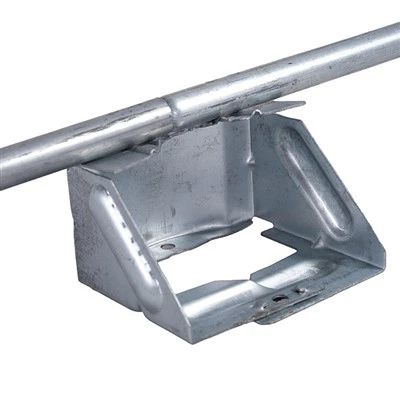
In addition to IBC Frame Nuts, there are other important components for IBCs. For example, the IBC Metal Lifting Plate is used to lift the IBC safely. These plates are usually made of strong metals like steel or aluminum and are designed to distribute the weight evenly during lifting.
Metal Sheet Iron can also be used in the construction of IBCs. It can be used for making covers, partitions, or reinforcements. Metal sheet iron is strong and can be easily fabricated into different shapes, making it a versatile material for IBC construction.
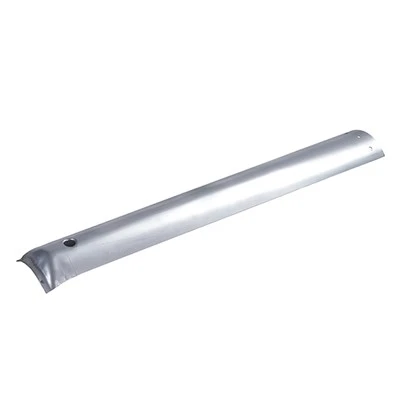
The IBC Tote Bottom Pipe and Bottom Tube are important for the drainage and support of the IBC. They need to be made of materials that can withstand the weight of the container and any chemicals that may come into contact with them.
Making the Right Choice
So, can you use IBC Frame Nuts with aluminum IBC frames? The answer is yes, but you need to make the right choice. Consider the material compatibility, size, and load requirements. If you're not sure which nuts are best for your aluminum frames, don't hesitate to reach out. As a supplier of IBC Frame Nuts, I have the knowledge and experience to help you select the right products for your specific needs.
Whether you're in the chemical industry, food processing, or any other field that uses IBCs, having the right components is crucial. I can offer a wide range of IBC Frame Nuts that are compatible with aluminum frames. We can work together to ensure that your IBCs are safe, durable, and perform at their best.
If you're interested in learning more or making a purchase, feel free to get in touch. We can discuss your requirements in detail and help you find the perfect solution for your IBC needs.
References
- "Handbook of Corrosion Engineering", ASM International
- "Industrial Packaging Design and Engineering", Wiley - Blackwell