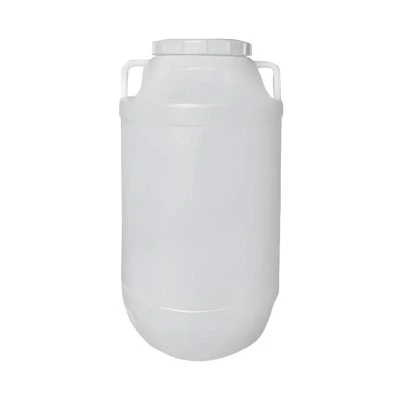
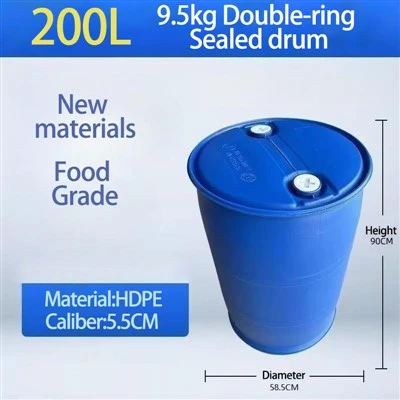
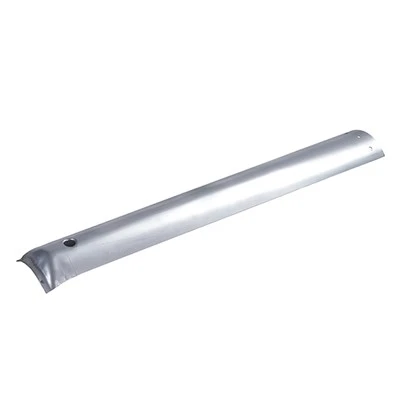
Hey there! As an IBC Tote Bottom Pipe supplier, I've seen my fair share of damaged pipes in the field. It's a common issue, but don't worry, I'm here to walk you through how to repair a damaged IBC Tote Bottom Pipe.
Step One: Assess the Damage
First things first, you gotta take a good look at the pipe to figure out what kind of damage you're dealing with. Is it a small crack, a big hole, or is the pipe completely broken off? This will determine the best way to fix it.
If it's just a small crack, you might be able to get away with a simple patch. But if there's a big hole or the pipe is broken, you'll probably need to replace a section of the pipe.
Step Two: Gather Your Tools and Materials
Once you know what you're up against, it's time to gather the stuff you'll need to make the repair. Here's a basic list:
- Pipe cutter: This is for cutting out the damaged section if you need to replace it.
- Pipe fittings: You'll need the right fittings to connect the new section of pipe. Make sure they're the correct size and type for your IBC tote.
- Sealant: A good sealant will help prevent leaks. Look for one that's compatible with the material of your pipe and the chemicals it'll be carrying.
- Wrenches: You'll need these to tighten the fittings.
- Safety gear: Gloves, goggles, and a mask are a must to protect yourself from any chemicals or debris.
Step Three: Drain the Tote
Before you start working on the pipe, you need to make sure the tote is empty. This is super important for your safety and to prevent any leaks. Open the valve at the bottom of the tote and let all the liquid drain out. If there's any residue left, you can use a pump or a siphon to get it out.
Step Four: Remove the Damaged Pipe
If you're replacing the pipe, use the pipe cutter to remove the damaged section. Make sure you cut it as close to the damage as possible. Be careful not to damage the rest of the pipe or the fittings.
When you're done cutting, use the wrenches to remove the old fittings. Keep them in a safe place in case you need to refer to them when you're installing the new ones.
Step Five: Install the New Pipe
Now it's time to install the new section of pipe. First, apply a thin layer of sealant to the ends of the new pipe and the inside of the fittings. This will help create a tight seal and prevent leaks.
Insert the new pipe into the fittings and tighten them with the wrenches. Make sure they're snug, but don't over - tighten them or you could crack the fittings.
Step Six: Check for Leaks
Once you've installed the new pipe, it's time to check for leaks. Close the valve at the bottom of the tote and fill it with a small amount of water. Then, check around the fittings and the new section of pipe for any signs of leakage. If you see any leaks, tighten the fittings a little more or apply more sealant.
Step Seven: Final Checks
After you're sure there are no leaks, give the whole repair job a final once - over. Make sure all the fittings are tight and the pipe is securely in place. You can also check the Horizontal Frame Tube to make sure it's not putting any extra stress on the repaired pipe.
Other Related Parts and Their Importance
While you're working on the IBC tote bottom pipe, it's also a good idea to check some other related parts. For example, the IBC Tank Label is important because it tells you what kind of chemicals the tote is designed to carry. If the label is damaged or missing, it could be a safety hazard.

The Hook Pull Rod is used to move the IBC tote around. If it's damaged, it could make it difficult or dangerous to move the tote.
The IBC Frame Nuts hold the frame of the IBC tote together. If they're loose or missing, the frame could become unstable, which is definitely not good.
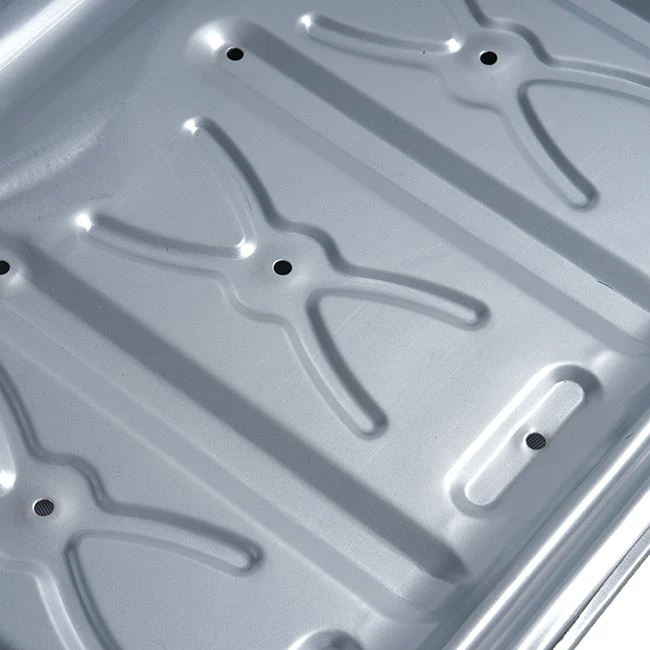
And the Steel Bottom Plate provides support for the tote. If it's damaged, it could affect the stability of the whole unit.
Tips for Maintenance
To prevent future damage to your IBC Tote Bottom Pipe, here are some maintenance tips. First, regularly inspect the pipe and the other parts of the tote for signs of wear and tear. Check for cracks, leaks, and loose fittings.
Second, make sure you're using the tote correctly. Don't overfill it, and don't expose it to extreme temperatures or harsh chemicals that it's not designed to handle.
Lastly, if you notice any small issues, don't ignore them. Fix them as soon as possible to prevent them from turning into bigger problems.
Connect for Purchase and Consultation
If you're in the market for an IBC Tote Bottom Pipe or any of the related parts I mentioned, like Horizontal Frame Tube, IBC Tank Label, Hook Pull Rod, IBC Frame Nuts, or Steel Bottom Plate, I'm here to help. Whether you have questions about the products, need advice on installation or repair, or want to discuss a bulk order, feel free to reach out. I can provide you with high - quality products and the support you need to keep your IBC totes in top shape.
References
- Industrial Equipment Maintenance Handbook
- IBC Tote Manufacturer's Manuals