Can a round plastic drum be used for storing solvents?
As a supplier specializing in round plastic drums, I often encounter inquiries regarding their suitability for storing solvents. This is a crucial question as the improper storage of solvents can lead to various hazards, including chemical reactions, leaks, and environmental contamination. In this blog, we will explore the factors that determine whether a round plastic drum is a viable option for solvent storage.
Compatibility of Plastic with Solvents
The first and most important consideration is the compatibility between the plastic material of the drum and the solvent to be stored. Different plastics have different chemical resistance properties. For example, high - density polyethylene (HDPE) is a commonly used material for round plastic drums. It has good resistance to many non - polar solvents such as gasoline, diesel, and some types of mineral oils. HDPE is a tough and durable plastic that forms a stable barrier against these substances, preventing significant chemical reactions or dissolution.
On the other hand, solvents like acetone, which are highly polar and have strong dissolving power, can cause problems when stored in HDPE drums. Acetone can soften and degrade HDPE over time, leading to leaks and potential safety risks. In such cases, a more chemically resistant plastic, such as polypropylene (PP) or fluoropolymers, might be a better choice. Polypropylene has better resistance to a wider range of solvents compared to HDPE, especially those with moderate polarity. Fluoropolymers, although more expensive, offer excellent chemical resistance to almost all solvents, making them suitable for storing highly aggressive chemicals.
Drum Design and Quality
The design and quality of the round plastic drum also play a vital role in solvent storage. A well - designed drum should have a tight - fitting lid to prevent solvent evaporation and spillage. The lid should be made of a material that is also compatible with the solvent. For example, if the drum is used to store a solvent that attacks rubber, a lid with a rubber gasket would not be appropriate. Instead, a gasket made of a resistant plastic material should be used.


The construction of the drum itself is crucial. Thick - walled drums are generally more durable and less likely to be damaged by solvents or physical impacts. Reinforcements in the design, such as ribs on the sides of the drum, can enhance its structural integrity. Additionally, the drum should have a smooth interior surface to prevent the accumulation of solvent residues, which can lead to corrosion or degradation over time.
Environmental Factors
The environment in which the round plastic drum is stored also affects its suitability for solvent storage. Temperature is a significant factor. High temperatures can accelerate chemical reactions between the plastic and the solvent. For instance, if a drum of a volatile solvent is stored in a hot environment, the increased pressure inside the drum due to solvent evaporation can cause the drum to expand or even rupture. On the other hand, extremely low temperatures can make the plastic more brittle, increasing the risk of cracks.
Humidity is another environmental factor. High humidity can cause moisture to accumulate on the surface of the drum, which may react with certain solvents or cause corrosion of any metal components, such as handles or closures. The location of storage should also be considered. Drums should be stored in a well - ventilated area to prevent the buildup of potentially explosive solvent vapors.
Specific Solvent Considerations
Different solvents have different properties, and these need to be carefully evaluated. For example, some solvents are highly flammable. When storing flammable solvents in round plastic drums, additional safety measures are required. The drum should be stored away from sources of ignition, and in a fire - resistant area. Special grounding provisions may also be necessary to prevent static electricity from causing sparks, which could ignite the solvent vapors.
Some solvents are corrosive. Corrosive solvents can eat away at the plastic over time. In such cases, a plastic drum with a special lining, such as a phenolic or epoxy lining, may be required. These linings act as an additional barrier between the solvent and the plastic, protecting the drum from corrosion.
Our Product Range
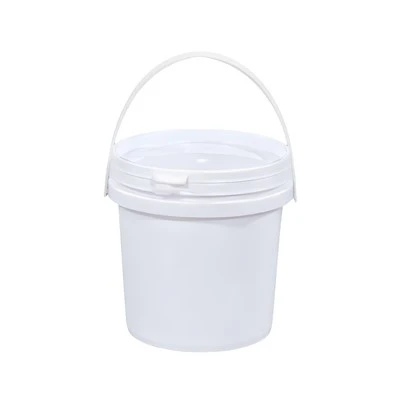
As a supplier, we offer a diverse range of round plastic drums suitable for different applications. Our Round Plastic Bucket is a popular choice for small - scale solvent storage. It is made of high - quality HDPE, which provides good resistance to many common solvents. The tight - fitting lid ensures that the solvent is properly contained.
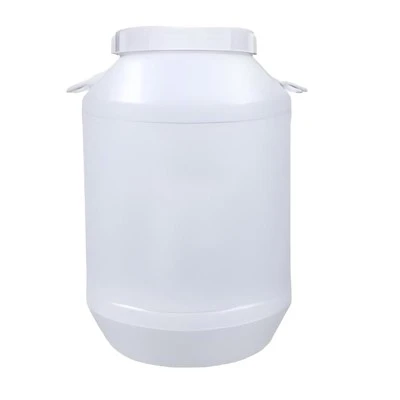
For larger - scale storage, our 100L Round Plastic Drum is a reliable option. With its thick - walled construction and reinforced design, it can withstand the weight and pressure of a significant amount of solvent. It is also available in different plastic materials, depending on the specific solvent requirements.
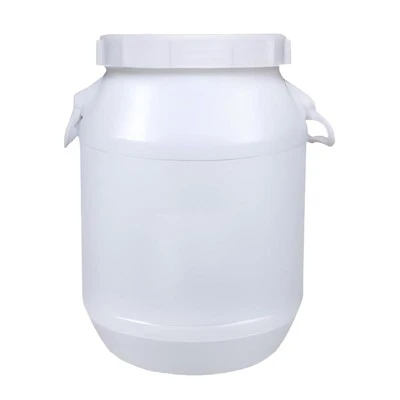
Our Round Plastic Barrel is designed for heavy - duty solvent storage. It has a robust structure and is suitable for storing more aggressive solvents, especially when lined with a chemically resistant material.
The Round Plastic Pail is a convenient and portable option for storing small quantities of solvents. It is easy to handle and transport, making it ideal for on - site applications.
Conclusion
In conclusion, a round plastic drum can be used for storing solvents, but it is essential to consider several factors. The compatibility between the plastic and the solvent, the design and quality of the drum, environmental factors, and the specific properties of the solvent all need to be carefully evaluated. As a supplier, we are committed to providing high - quality round plastic drums that meet the requirements of solvent storage. If you have any questions about our products or need advice on solvent storage, please feel free to contact us for further discussion and potential procurement.
References
- “Handbook of Plastic Materials and Technology.” John Wiley & Sons, Inc.
- ASTM International standards related to plastic drums and chemical storage.
- Industry guidelines on solvent storage and handling published by relevant chemical associations.