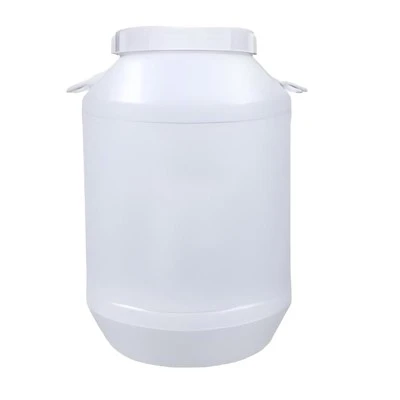
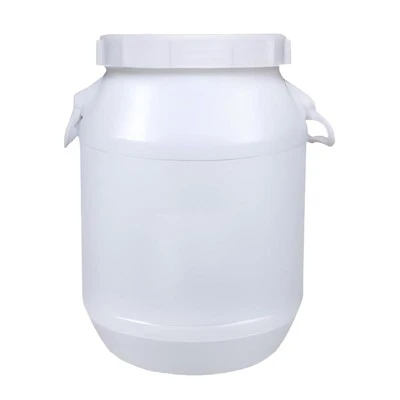
When it comes to Intermediate Bulk Container (IBC) caps, as a dedicated IBC cap supplier, I understand the critical importance of adhering to precise standards and specifications. These elements not only ensure the functionality of the caps but also guarantee the safety and integrity of the IBCs they seal. In this blog post, I will delve into the various aspects of the standards and specifications that govern IBC cap development, which are essential to know for anyone involved in the production, sourcing, or use of IBCs.
Material Standards
The first step in IBC cap development is selecting the right materials. Different applications demand different material characteristics. For instance, caps used for storing chemicals need to be resistant to a wide range of chemical substances. High - density polyethylene (HDPE) is a popular choice due to its excellent chemical resistance, durability, and low cost.
Normally, the raw material used must meet certain industry - recognized standards. For example, in Europe, the caps should comply with the requirements set by the European Committee for Standardization (CEN). These standards ensure that the HDPE used has the appropriate density, melt flow index (MFI), and other mechanical properties. The density typically ranges between 0.940 - 0.970 g/cm³, which provides a good balance between strength and flexibility. A proper MFI, usually in the range of 0.1 - 10 g/10 min, ensures that the plastic can be easily molded into the desired cap shape during the manufacturing process.
For food - grade applications, the materials must comply with regulations such as the U.S. Food and Drug Administration (FDA) 21 CFR (Code of Federal Regulations) or the EU food contact regulations. These regulations restrict the use of certain additives and chemicals in the plastic to prevent contamination of the stored food products.
Design and Dimensions Specifications
The design of an IBC cap is crucial for its functionality. It starts with the basic shape, which is typically cylindrical to fit the IBC openings. The cap should have a proper thread design to ensure a secure and leak - tight seal. The thread pitch, diameter, and angle must be precisely engineered to match the corresponding IBC opening.
Regarding the dimensions, there are various standard sizes available in the market. For example, DN650 IBC Cap, DN450 IBC Cap, DN225 IBC Cap, and DN150 IBC Cap are common sizes. The “DN” stands for Diamètre Nominal, which is a European standard for defining pipe sizes. These standard sizes ensure compatibility between different IBCs and caps from various manufacturers.
The height of the cap also matters. It should be sufficient to provide enough room for the sealing mechanism and to prevent accidental dislodging. Additionally, the cap’s outer diameter must be designed in a way that allows easy handling, either by manual tightening or with the use of specialized tools.
Sealing Performance Specifications
One of the most important functions of an IBC cap is to provide a reliable seal. There are different sealing mechanisms, such as gasket - based seals and screw - on seals. For gasket - based seals, the gasket material must be selected carefully. Rubber gaskets, like EPDM (Ethylene Propylene Diene Monomer), are often used because of their good sealing properties, temperature resistance, and chemical compatibility.
The sealing performance is often measured in terms of pressure and leakage. In many industrial applications, the caps are required to withstand a certain internal pressure without leaking. For example, in the storage of pressurized liquids or gases, the cap should be able to withstand pressures up to 0.5 - 1 bar without any visible leakage. This pressure - resistance requirement is crucial for ensuring the safety of the storage system and preventing environmental contamination.
Safety and Regulatory Standards
IBC caps must comply with a variety of safety and regulatory standards. In the transportation of dangerous goods, for example, the caps need to meet the requirements of the International Maritime Dangerous Goods (IMDG) Code if the IBCs are to be shipped by sea. This code sets standards for the packaging, labeling, and handling of dangerous substances.
Similarly, the United Nations recommends certain standards for the packaging of dangerous goods, known as the UN Recommendations on the Transport of Dangerous Goods. IBC caps must be designed and tested to meet these standards, which include requirements for mechanical strength, drop testing, and stackability.
In addition to transportation standards, there are also workplace safety regulations that govern the use of IBCs. Caps should be designed to prevent accidental spills and to be easily opened and closed by workers without the need for excessive force, which could lead to injuries.
Testing and Certification
To ensure that IBC caps meet the required standards and specifications, various testing procedures are carried out. One of the common tests is the drop test. The IBC with the cap installed is dropped from a specified height onto a hard surface to simulate real - world handling scenarios. The cap should remain intact and the IBC should not leak after the drop.
Another important test is the pressure test, where the IBC is pressurized to a predetermined level and the cap is checked for any signs of leakage. Tightness testing is also performed to ensure that the seal is consistent and reliable.
Once the caps pass these tests, they can be certified according to the relevant standards. Certifications such as ISO (International Organization for Standardization) standards are highly regarded in the global market. These certifications give customers confidence that the caps they are purchasing are of high quality and meet international best practices.
Importance of Meeting Standards for Suppliers and Customers
For an IBC cap supplier like me, meeting the standards and specifications is crucial not only for legal compliance but also for building a good reputation in the market. Non - compliant products can lead to legal issues, financial losses, and damage to the brand image. By ensuring that our caps meet all the necessary standards, we can offer reliable products to our customers.


For customers, using compliant IBC caps is essential for the safety of their stored products and operations. Whether it’s storing chemicals, food products, or other substances, a reliable cap can prevent leaks, spills, and contamination. It also helps them to comply with the various regulations related to storage and transportation.
Conclusion
In conclusion, the development of IBC caps is a complex process that is governed by a multitude of standards and specifications. From material selection to design, sealing performance, and safety regulations, every aspect plays a vital role in ensuring the quality and functionality of the caps. As an IBC cap supplier, I am committed to producing caps that meet and exceed these standards to provide the best solutions for our customers.
If you are in the market for high - quality IBC caps that adhere to all the necessary standards and specifications, I invite you to contact me. We can discuss your specific requirements and find the most suitable solutions for your business needs. Whether you need a large quantity for industrial use or a small order for a specific project, I am here to assist you.
References
- European Committee for Standardization (CEN) standards on plastic materials for IBC caps.
- U.S. Food and Drug Administration (FDA) 21 CFR regulations on food - grade plastics.
- International Maritime Dangerous Goods (IMDG) Code.
- United Nations Recommendations on the Transport of Dangerous Goods.
- ISO standards related to IBCs and their components.