Do IBC Frame Nuts require any special tools for installation?
As an IBC Frame Nuts supplier, I have received numerous inquiries about the installation process, particularly regarding the tools required. IBC (Intermediate Bulk Container) frame nuts are crucial components in the construction and assembly of IBC containers. These containers are widely used in various industries for storing and transporting liquids, powders, and granular materials. In this blog post, I will delve into the question of whether IBC frame nuts require any special tools for installation and provide a comprehensive overview of the installation process.
Understanding IBC Frame Nuts
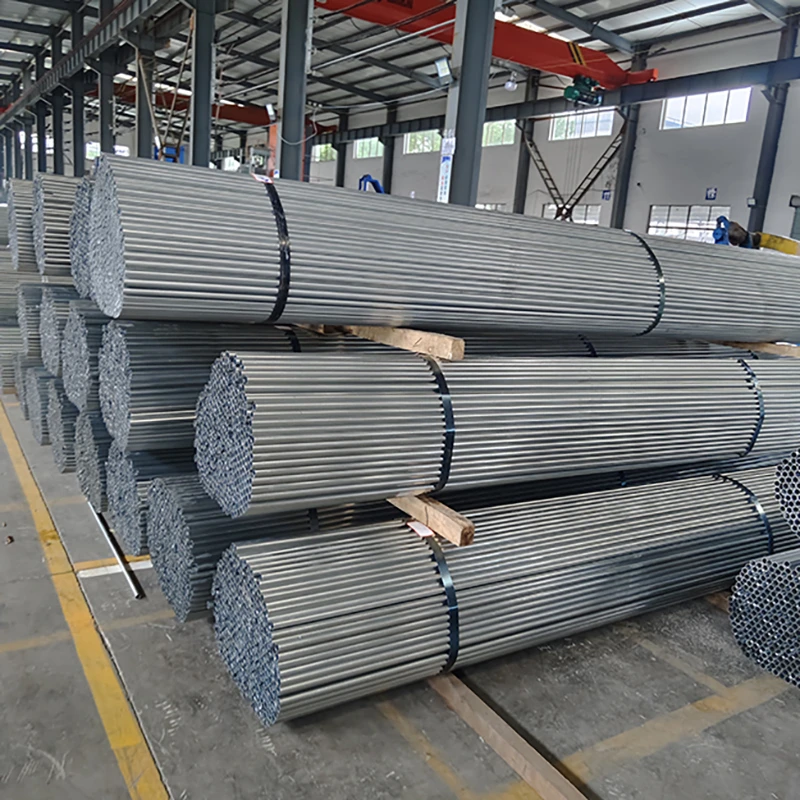
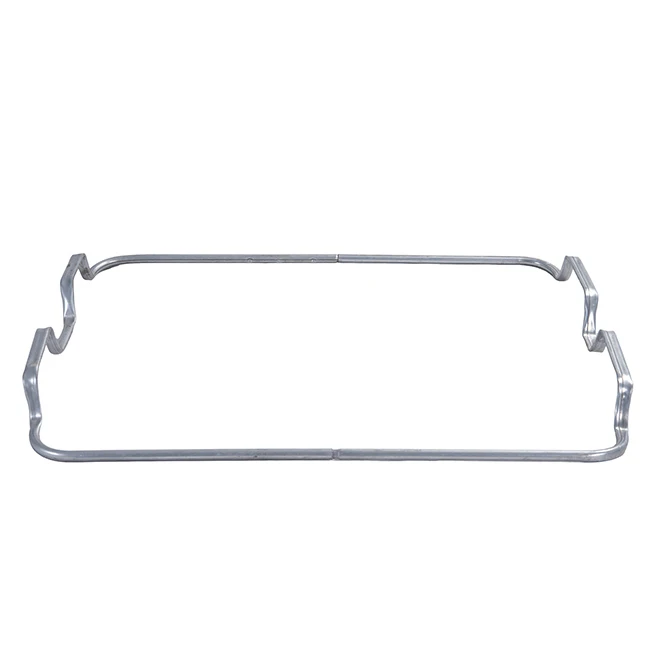
Before discussing the installation tools, it is essential to understand what IBC frame nuts are and their role in the IBC container. IBC frame nuts are typically used to secure different metal parts of the IBC frame together. They are designed to fit precisely with the corresponding bolts or threaded rods, ensuring a tight and secure connection. The frame of an IBC container is composed of several metal components, such as Convenient Bottom Pipe, Horizontal Frame Tube, IBC Metal Lifting Plate, Top Horizontal Tube, and IBC Tote Bottom Pipe. The nuts play a vital role in holding these components in place, providing structural integrity to the entire container.
Standard Tools for IBC Frame Nut Installation
In most cases, the installation of IBC frame nuts does not require any special tools. Standard hand tools that are commonly found in a basic toolbox are usually sufficient. Here are some of the standard tools that can be used for installing IBC frame nuts:
- Wrenches: A set of adjustable wrenches or combination wrenches is the most commonly used tool for tightening nuts. Adjustable wrenches can be adjusted to fit different nut sizes, while combination wrenches have a fixed size on one end and an open-end on the other. Depending on the size of the IBC frame nuts, you may need wrenches in various sizes. For example, if the nuts have a 1/2 - inch diameter, a 1/2 - inch wrench would be appropriate.
- Socket Wrenches: Socket wrenches are also a popular choice for nut installation. They come with different socket sizes that can be attached to a ratchet handle. Socket wrenches are especially useful when working in tight spaces where a regular wrench may not fit easily. They provide better access and leverage for tightening nuts.
- Screwdrivers: In some cases, if the IBC frame nuts have a slotted or Phillips - head design, a screwdriver may be used for initial tightening or loosening. However, for a more secure and proper installation, a wrench or socket wrench is usually required to achieve the necessary torque.
Special Situations and Tools
While standard tools are generally sufficient for most IBC frame nut installations, there are some special situations where additional or specialized tools may be required:
- High - Torque Applications: In some industrial settings, IBC containers may be subject to high levels of stress and vibration. In such cases, it is necessary to ensure that the frame nuts are tightened to a specific torque value. A torque wrench is a specialized tool that allows you to apply a precise amount of torque to the nut. By using a torque wrench, you can ensure that the nuts are tightened correctly, preventing them from loosening over time.
- Hard - to - Reach Areas: In some IBC container designs, there may be areas where it is difficult to access the nuts with standard wrenches or socket wrenches. In these situations, specialty tools such as offset wrenches or swivel - head socket wrenches may be required. These tools are designed to provide better access to nuts in tight or awkward spaces.
- Corrosion or Rust: If the IBC frame nuts are corroded or rusted, it may be difficult to remove or install them using standard tools. In such cases, a penetrating oil can be applied to the nuts to loosen the corrosion. Additionally, a pipe wrench or a vise - grip pliers may be used to provide extra grip and leverage for removing or tightening the nuts.
Installation Process
The installation process of IBC frame nuts is relatively straightforward when using the appropriate tools. Here is a general step - by - step guide:
- Prepare the Components: Before starting the installation, ensure that all the metal components of the IBC frame, such as the Convenient Bottom Pipe and Horizontal Frame Tube, are clean and free of debris. Align the components so that the holes for the nuts and bolts are properly aligned.
- Insert the Bolt or Threaded Rod: Insert the bolt or threaded rod through the holes in the metal components. Make sure that the rod extends through the holes far enough to accommodate the nut.
- Place the Nut: Place the IBC frame nut on the end of the bolt or threaded rod. Hand - tighten the nut as much as possible by turning it clockwise. This will help to hold the components together in the initial stage.
- Tighten the Nut: Use a wrench or socket wrench to tighten the nut further. Apply consistent pressure and turn the wrench in a clockwise direction until the nut is firmly tightened. If a torque wrench is required, set the desired torque value and use it to tighten the nut to the specified torque.
- Check for Tightness: After tightening the nut, check to ensure that it is secure. Gently try to move the components to see if there is any movement or looseness. If necessary, re - tighten the nut to ensure a proper fit.
Conclusion
In conclusion, while standard hand tools such as wrenches and socket wrenches are usually sufficient for installing IBC frame nuts, there are some special situations where additional or specialized tools may be required. High - torque applications, hard - to - reach areas, and corrosion or rust can all present challenges that may necessitate the use of specialty tools. As a supplier of IBC frame nuts, we are committed to providing our customers with not only high - quality products but also valuable information about their installation and use.
If you are in the market for IBC frame nuts or have any questions about their installation, we encourage you to contact us for further discussion and procurement negotiations. We look forward to serving your needs and helping you find the right solutions for your IBC container requirements.
References
- Industrial Fasteners Institute. Guide to Fastener Installation.
- Manual of Intermediate Bulk Container Design and Assembly.